![[20FT] EVIL ENERGY PTFE Fuel Line Kit, complete black hose & fittings set, 180-day return](http://www.ievilenergy.com/cdn/shop/files/Test-2025-Evilenergy-125598065_940x.png?v=1742144807)
![[16FT] EVIL ENERGY PTFE Fuel Line Kit, black braided hose, fittings, free shipping & return](http://www.ievilenergy.com/cdn/shop/files/Test-2025-Evilenergy-125598171_940x.png?v=1742144807)
![CPE Fuel Line[25FT]](http://www.ievilenergy.com/cdn/shop/files/25FTCPE_FuelLine_940x.png?v=1735220649)
![CPE Fuel Line[20FT]](http://www.ievilenergy.com/cdn/shop/files/20FTCPE_FuelLine_940x.png?v=1735220649)





Complete EFI Fuel System Kits: Upgrade to Modern Fuel Injection

🎁 A Personal Gift For My Readers
To support your project, I've secured an exclusive 8% OFF for you.
Simply paste the code at checkout.
💡 Use the savings to grab your extra fittings, oil lines, or connectors for free!
Transitioning from a classic carburetor to a modern EFI fuel system kit is the most significant performance upgrade you can perform on a vintage engine or a modern swap. While carburetors rely on atmospheric pressure, modern EFI fuel systems utilize high-pressure pumps and precision electronics to provide superior fuel atomization, easier cold starts, and increased horsepower. Whether you are searching for a basic EFI fuel kit or a race-ready setup, understanding the engineering behind the gas fuel system is critical for a reliable build.
What is an EFI Fuel System Kit?
An EFI fuel system kit is a comprehensive collection of hardware designed to deliver high-pressure fuel from the tank to the engine's fuel rail. Unlike traditional low-pressure mechanical systems, EFI fuel systems must maintain a constant, high-pressure environment—typically between 43 and 60 PSI—to ensure that fuel injectors can pulse accurately.
To truly master your vehicle's setup, it is helpful to visualize the fuel system and tank anatomy to see how these components integrate into your specific chassis.

The Core Components of an EFI Fuel Kit
A professional-grade EFI fuel kit consists of several synchronized parts that work together to prevent leaning out under load:
-
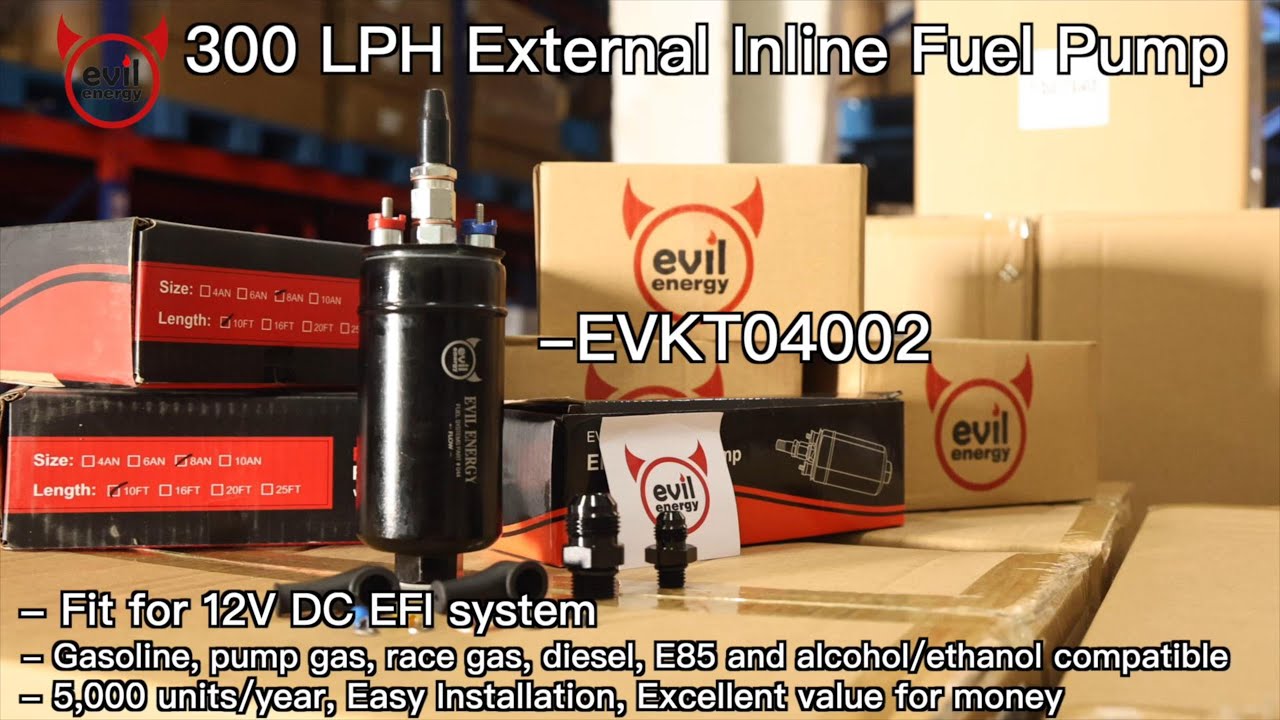
High-Pressure Fuel Pump: The heart of the EFI fuel system kit, capable of flowing enough volume to support your target horsepower.
-
Precision Fuel Pressure Regulator: Essential for modern EFI fuel systems to maintain steady pressure and return excess fuel to the tank.
-
Filtration System: Includes a pre-filter (to protect the pump) and a high-micron post-filter to keep injectors clean.
-
High-Pressure Fuel Lines: Most EFI fuel systems now utilize PTFE-lined hoses to resist the corrosive effects of modern pump gas and ethanol.
-
AN Fittings and Adapters: These ensure a leak-free, high-pressure seal across the entire EFI fuel kit.
Why Enthusiasts Upgrade to EFI Fuel Systems
Discussion on performance forums often centers on the 'reliability gap' between old-school fueling and modern EFI fuel systems. The primary advantage is the transition of liquid fuel into a fine mist. Modern EFI fuel systems use fuel pumps, filters, and regulators in tandem to create the perfect fuel-air mixture for efficient combustion.
|
Feature
|
Modern EFI Fuel System Kit
|
|
|
Operating Pressure
|
5-9 PSI
|
43-60+ PSI
|
|
Fuel Delivery
|
Mechanical/Siphon
|
Electronic/Pressurized
|
|
Cold Start
|
Requires Choke
|
Automatic/Instant
|
|
Tunability
|
Manual Jetting
|
Real-time ECU Map
|
Specialized EFI Fuel Kits for LS Swaps
If you are performing an LS engine swap, a dedicated EFI fuel kit is mandatory. LS engines are designed specifically for high-pressure EFI fuel systems. Using a specialized EFI fuel system kit for these engines simplifies the plumbing process by providing the exact quick-connect fittings and high-flow regulators required for the GM fuel rail architecture.
For those looking to push their LS build further with high-octane ethanol blends, it is highly recommended to pair your EFI fuel system kit with a dedicated flex-fuel sensor. Learn more in our E85 Flex Fuel Guide.
Choosing the Right EFI Fuel Kit
When selecting an EFI fuel kit, you must match the system's flow rate to your engine's fuel demand. Most basic EFI fuel systems support up to 500 HP, but forced induction builds require a heavy-duty EFI fuel system kit.
One of the most critical decisions you will make is choosing between Return vs. Returnless fuel systems. While returnless systems are simpler to plumb, a return-style EFI fuel system kit is often preferred for high-performance builds to keep fuel temperatures lower and pressure more consistent.

Expert Tip: Preventing Vapor Lock
Forum users frequently complain about vapor lock in older EFI fuel systems. To avoid this, ensure your EFI fuel system kit uses a return-style plumbing method. This keeps fuel constantly moving, preventing it from heating up in the engine bay and ensuring your EFI fuel kit always delivers cool, dense fuel to the injectors.
Why Choose the EVIL ENERGY EFI Fuel System Kit?
When performing an electronic fuel injection conversion or a high-performance LS Swap, hardware quality dictates vehicle reliability. EVIL ENERGY has engineered its EFI fuel system kit lineup to meet the rigorous demands of modern performance builds, focusing on three core pillars of engineering excellence:
-
Industry-Leading PTFE Hose Technology
Most standard EFI fuel systems fail prematurely because their rubber lines cannot handle the corrosive nature of modern ethanol-blended fuels (like E10 or E85). Every EVIL ENERGY EFI fuel kit features a premium PTFE (Teflon) inner lining. This material is 100% impervious to chemical degradation and prevents 'fuel smell' permeation, ensuring your garage or cabin remains vapor-free.
-
Aircraft-Grade 6061-T6 Aluminum Fittings
Pressure stability is the lifeline of any EFI fuel system kit. Our kits are equipped with CNC-machined 6061-T6 aircraft-grade aluminum AN fittings. Each fitting undergoes a heavy-duty anodizing process, providing extreme corrosion resistance and a leak-proof seal capable of handling the 60+ PSI required by high-output EFI fuel systems.
-
Tailored for LS Swaps and Performance Conversions
We understand the specific needs of the LS swap community. An EVIL ENERGY EFI fuel system kit provides a one-stop solution with components designed to work in perfect harmony:
-
High-Flow Fuel Pressure Regulator: Supports 30-70 PSI adjustment, perfectly hitting the 58 PSI standard required by LS engines.
-
Precision Filtration: Features a 10-micron high-efficiency filter to protect expensive fuel injectors from microscopic contaminants.
-
Comprehensive Adapter Sets: Includes specialized quick-connect adapters for a factory-like fitment during your EFI fuel kit installation.
Conclusion: Why an EFI Fuel System Kit is Your Best Performance Investment
In summary, upgrading to a modern EFI fuel system kit is about more than just chasing raw horsepower; it is about achieving a level of reliability, cold-start efficiency, and precise fuel management that carburetor systems simply cannot match. By selecting a complete EFI fuel systems solution that includes high-pressure fuel pumps, precision regulators, and PTFE-lined fuel lines, you effectively eliminate technical hurdles common in performance forums, such as vapor lock and fuel leaks.
For enthusiasts performing an LS engine swap, a dedicated EFI fuel system kit serves as the core foundation for system stability and simplified installation. If you are aiming for maximum performance, we recommend pairing your EFI fuel kit with a flex-fuel setup to leverage high-octane benEFIts. You can explore our E85 Flex Fuel Conversion Guide to learn how to further unlock your engine's true potential.
FAQs: Mastering Your EFI Fuel System Conversion
Q1: What is the main advantage of an EFI fuel system kit over a carburetor?
A: The primary advantage of an EFI fuel system kit is its ability to provide precise fuel atomization and consistent 43-60 PSI pressure. Unlike carburetors, modern EFI fuel systems use sensors to adjust fueling in real-time, resulting in better cold starts, increased horsepower, and improved fuel economy for any high-performance build.
Q2: Does an EFI fuel kit require a return line to the tank?
A: It depends on your building goals. While you can choose a returnless system, a return-style EFI fuel system kit is highly recommended for performance applications. It prevents vapor lock by continuously circulating cool fuel through the EFI fuel systems, ensuring the fuel rail stays pressurized without heat-soaking gasoline.
Q3: Can I use my factory fuel tank with a new EFI fuel system kit?
A: Yes, but you often need an adapter. Most enthusiasts upgrading to EFI fuel systems use a 'fuel pump hanger' or a surge tank to mount the high-pressure pump from the EFI fuel kit into the stock tank. This ensures the engine receives the high-pressure flow required by modern electronic fuel injection.
Q4: Why are PTFE lines recommended for modern EFI fuel systems?
A: PTFE-lined hoses are the gold standard for any EFI fuel system kit because they are impervious to the corrosive effects of ethanol (E10/E85) found in modern pump gas. Standard rubber lines can degrade, leading to leaks or clogged injectors, which can be catastrophic for expensive EFI fuel systems.
Q5: What fuel pressure is required for an LS swap EFI fuel system kit?
A: Most LS-based EFI fuel systems require a constant 58 PSI (4 bar). When installing an EFI fuel kit for an LS engine, ensure your fuel pressure regulator is set correctly, as incorrect pressure can lead to lean conditions and engine damage.
Q6: How do I choose the right size fuel pump for my EFI fuel kit?
A: You must match the pump’s Liters Per Hour (LPH) to your horsepower goals. For most naturally aspirated EFI fuel systems under 500 HP, a 255 LPH pump in your EFI fuel system kit is sufficient. However, boosted applications often require 340 LPH or dual-pump setups to maintain flow under high load.
Q7: What is the role of the fuel pressure regulator in an EFI fuel kit?
A: The regulator is the 'brain' of the EFI fuel system kit's pressure management. It ensures that the EFI fuel systems maintain a steady PSI regardless of engine load by bypassing excess fuel back to the tank, which protects the injectors from over-pressurization.
Q8: Is a pre-filter necessary for an EFI fuel system kit?
A: Absolutely. A 100-micron pre-filter is essential to protect the high-pressure pump in your EFI fuel kit from debris. In professional EFI fuel systems, you should also run a 10-micron post-filter after the pump to ensure no microscopic particles reach the injectors.
Q9: Can I install an EFI fuel kit on a vehicle that originally had a mechanical pump?
A: Yes. This is a common 'EFI conversion.' You will need to bypass the mechanical pump and install a complete EFI fuel system kit, including an electric high-pressure pump, a regulator, and upgraded high-pressure lines to handle the significantly higher PSI of modern EFI fuel systems.
Q10: Why is my EFI fuel system kit making a loud whining noise?
A: Excessive noise in EFI fuel systems is often caused by cavitation or a lack of proper venting. Ensure your EFI fuel kit has a sufficiently large return line and that the fuel pump is not struggling against a clogged filter or a restricted tank vent, as this can lead to premature pump failure.