


Subscribe now to get a gift with your first order!

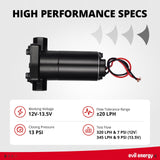
![[345LPH] High performance specs for the EVIL ENERGY 12V Electric Fuel Pump for Carb, showing a 13 PSI closing pressure and a test flow of 345 LPH at 9 PSI.](http://www.ievilenergy.com/cdn/shop/files/EVIL-ENERGY-Red-CNC-Billet-Aluminum-Valve-Cover-For-BMW-E46-E60-M52-M54_-Heat-Dissipation-_-Engine-Bay-Upgrade-EVIL-ENERGY-156912022.jpg?v=1781888459)
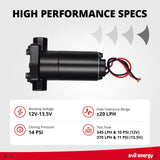
![[370LPH] Technical specifications chart for the EVIL ENERGY 12V Electric Fuel Pump for Carb, detailing its 14 PSI closing pressure and a max test flow of 370 LPH.](http://www.ievilenergy.com/cdn/shop/files/EVIL-ENERGY-Red-CNC-Billet-Aluminum-Valve-Cover-For-BMW-E46-E60-M52-M54_-Heat-Dissipation-_-Engine-Bay-Upgrade-EVIL-ENERGY-156912144.jpg?v=1781888464)


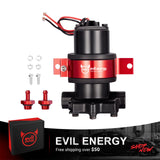
EVIL ENERGY 320-370lph/90GPH External Electric Fuel Pump 12V for Carburetor - Low Pressure Compatible for Carburetor Replacement/Modified Vehicles
- $79.99
- $79.99
$79.99- Unit price
- per
SKU:
EVFS232500022000
Product Type:
Fuel Pumps

| Installation Location | External fuel pump |
| Structural Category | Electric fuel pump |
| Structural Sub - Category | Gear-type electric fuel pump |
| Voltage | 12V-13.5V |
| Closed Pressure | 14PSI |
| Flow Rate |
91.1-97.8GPH/345-370LPH(10-11PSI&5.6-6.0A) 84.5-91.1GPH/320-345LPH(7-9PSI&5.5-6.3A) |
| Temperature Range | -68°-194°F |
| Max Power | 88W |
| Material | Aluminum |
| Gross Weight | 1.4kg |
| Packaging Dimensions | 17.5*14.5*10cm |
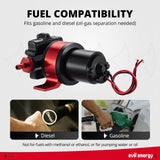
| Compatible Media | For gasoline and diesel (oil-gas separation needed) |
| Applicable Vehicle Models | Suitable for carburetor systems. |
| Package Details |
1* 12V Fuel Pump for Carburetor 2*3/8 NPSF to 5/16 Barb(Recommended Hose: 5/16") 2*Insulated terminals 2*Nuts 2*Washers |
 Key Benefits of Evil Energy Best Electric Fuel Pump for Carburetor
Unleash the consistent, reliable fuel flow your carbureted engine craves with the EVIL ENERGY Fuel Pump for Carb. Engineered specifically for classic cars, hot rods, and modified vehicles, this pump delivers the high-volume performance the low-pressure carburetors demand, making it the perfect upgrade for a robust and responsive fuel system.
This Evil Energy Fuel Pump for Carb perfectly balances low pressure and high flow for 12V carburetor systems. It provides a safe 14 PSI to prevent flooding, while its powerful 345-370 LPH flow fuels your engine. Built from durable aluminum, this pump is made to work reliably in any weather.
Carb Fuel Pump vs. EFI Fuel Pump: Which One Should You Buy?
Choosing an electric fuel pump for carburetor systems instead of an EFI fuel pump mainly depends on the required fuel pressure and the engine’s fuel-delivery system. An electric fuel pump for carb applications provides low-pressure fuel delivery, while an EFI pump generates the substantially higher pressure required by electronic fuel injectors.
Installing a high-pressure electric fuel pump on carburetor-equipped vehicles without the correct regulator can overpower the carburetor’s needle and seat, causing flooding, excessive pressure or fuel leakage. For a vehicle that will remain carbureted, a purpose-built electric carb fuel pump is generally the simpler and more cost-effective choice. A typical carburetor fuel pump system requires approximately 4–7 PSI at the carburetor, while many port-injection and throttle-body EFI systems operate at approximately 40–60 PSI or higher.
|
Comparison |
Carb fuel pump |
EFI fuel pump |
|
Primary application |
Carbureted engines |
Electronic fuel-injection systems |
|
Typical required pressure |
Approximately 4–7 PSI at the carburetor |
Commonly 40–60 PSI or higher |
|
Pressure regulation |
Required when pump output exceeds the carburetor specification |
Normally required or integrated into the pump module |
|
Return line |
Depends on the regulator design |
Commonly required unless using a regulated returnless system |
|
Filtration |
Commonly a 100-micron pre-filter and 40-micron post-filter |
Commonly a coarse pre-filter and finer post-filter |
|
Installation complexity |
Lower |
Higher |
|
Best purchasing situation |
Dedicated carbureted vehicle |
Existing or planned EFI system |
Choose a fuel pump for carburetor systems when the vehicle currently uses a carburetor and no EFI conversion is planned. The best electric fuel pump for carburetor applications should match the carburetor’s specified pressure, engine fuel demand, operating voltage and intended fuel type.
A 12 volt electric fuel pump for carburetor systems may produce more pressure than the carburetor can accept. Pairing it with an adjustable carburetor fuel pressure regulator allows the final pressure to be set according to the carburetor manufacturer’s requirements. Compatible 100-micron and 40-micron inline fuel filters can help protect both the pump and carburetor from contamination.
For a dedicated carbureted build, select a low pressure fuel pump for carb engines or consider a complete carbureted fuel-system bundle containing a matched pump, regulator and filter.
If an EFI conversion is planned, purchasing an EFI pump, filter and regulator kit may reduce the need to replace the fuel-delivery system later. However, a high-pressure EFI pump should not be connected directly to a carburetor, and a low-pressure carb pump cannot provide the pressure required by EFI.
Before purchasing an electric fuel pump for a carburetor, confirm:
-
The engine uses a carburetor rather than EFI.
-
The required operating pressure falls within the regulator’s adjustment range.
-
The pump supplies sufficient flow at the intended pressure and voltage.
-
The fuel type is compatible with the pump, filters, hoses and seals.
-
The selected package contains the required fittings and mounting hardware.
Complete Carburetor Fuel Pump Accessories for Direct Installation
Designed for a straightforward installation, the supplied pump, fittings, seals and mounting hardware support a complete electric fuel pump for carburetor setup. They provide a practical replacement or upgrade solution for electric fuel pump for carb applications.

Core Fuel Pump Assembly
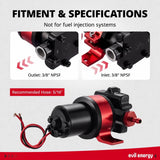
At the heart of the package is a 12V external pump suitable for anyone installing an electric fuel pump on carburetor-equipped vehicles. This electric carb fuel pump features a red mounting bracket and 3/8-inch NPTF female inlet and outlet ports.
The carburetor fuel pump transfers fuel from the tank to the carburetor while maintaining the low-pressure delivery required by compatible carbureted engines.
Quantity: 1 × fuel pump
Fuel Line Connections and Sealing
Two 3/8-inch NPTF to 5/16-inch hose-barb fittings connect the carb fuel pump to commonly used 5/16-inch fuel hoses. One fitting attaches to the inlet, while the other attaches to the outlet.
Two matching gaskets support leak-resistant connections throughout the fuel pump for carburetor installation. Reliable sealing is essential even when using the best electric fuel pump for carburetor applications.
Supplied components:
-
2 × 3/8-inch NPTF to 5/16-inch fittings
-
2 × gaskets
Secure Mounting Hardware
Two screws and two matching nuts secure the red bracket and keep the 12 volt electric fuel pump for carburetor systems firmly mounted.
Keeping the low pressure fuel pump for carb engines stable helps reduce vibration and movement during vehicle operation. Mount it on a strong metal surface near the fuel tank and away from exhaust components, moving parts and heavy road debris.
Supplied components:
-
2 × screws
-
2 × nuts
Protection During Shipping and Storage
Two orange caps protect the inlet and outlet from dust and debris before installation.
Remove both caps before connecting or operating the electric fuel pump for a carburetor. They are protective packaging components and must not remain on the pump during vehicle installation.
Quantity: 2 × protective caps
Fuel hoses, filters, clamps, wiring, fuse, relay and fuel-pressure regulator may need to be purchased separately.
How to Install an Electric Fuel Pump for a Carburetor
Installing an electric fuel pump for carburetor applications correctly helps maintain stable fuel delivery and protects the pump from contamination. A properly positioned electric fuel pump for carb engines can also reduce priming problems and inconsistent fuel pressure.

1. Select the mounting position
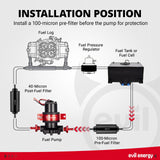
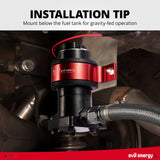
When installing an electric fuel pump on carburetor-equipped vehicles, mount it close to the fuel tank or fuel cell. Whenever possible, position the electric carb fuel pump below the lowest fuel level so fuel can flow naturally toward the pump.
2. Install the pre-filter
Install a 100-micron pre-filter between the fuel tank and the carburetor fuel pump inlet. This filter captures larger contaminants before they can enter and damage the carb fuel pump.
3. Install the post-filter
Place a 40-micron post-fuel filter between the outlet of the fuel pump for carburetor systems and the carburetor. Make sure the flow arrows on the pump and both filters point in the correct direction.
4. Connect the pressure regulator
The best electric fuel pump for carburetor applications should match the fuel-pressure requirements of the carburetor. For the return-style system shown in the diagram, fuel passes through the carburetor fuel line before reaching the bypass fuel pressure regulator. Excess fuel is then returned safely to the fuel tank.
5. Inspect and adjust the system
Connect the 12 volt electric fuel pump for carburetor applications through a correctly rated fuse and relay. Use fuel-compatible hoses, fittings and clamps throughout the installation.
Before operating the low pressure fuel pump for carb, make sure every connection is secure. After installing an electric fuel pump for a carburetor, complete the following checks:
- Prime the fuel system.
- Check every connection for leaks.
- Confirm that the pump and filter arrows follow the fuel-flow direction.
- Start the engine and monitor the fuel pressure.
- Adjust the regulator according to the carburetor manufacturer’s pressure specification.
Brand Summary
| Policy | Details |
|---|---|
| Cancellation Policy | Orders can be canceled within 48 hours of placement. Refund processed in 3-5 business days. |
| Returns Policy | Returns accepted within 180 days. Full refund within 90 days; 15% fee for 90-180 days. |
| Non-Returnable Items | Only regular-priced items are eligible for refunds; sale items are non-refundable. |
| Refund Processing | If no refund received, check your bank/credit card. For ongoing issues, contact support@ievilenergy.com. |
Return Reasons
- Quality Issues: Provide photos/videos; we cover return shipping.
- Wrong Item Ordered: Buyer covers return shipping; email within 30 days.
- Change of Mind: Buyer covers return shipping; email within 30 days.
- Shipping Damage: Inspect packages; do not sign for damaged items.
- Incorrect Item Shipped: Contact within 7 days.
Price Protection Policy
Effective from August 25, 2024. Price drops within 7 days of purchase can be claimed.
Disclaimer
EVIL ENERGY reserves the right to interpret, modify, or terminate this policy in accordance with applicable laws and regulations.
If you need further information or assistance, feel free to ask!
Related Articles

How Long Does a Fuel Pump Last? Understanding Lifespan and Maintenance
When it comes to vehicle maintenance, few components are as crucial as the fuel pump. This unassuming part is responsible for delivering fuel from the tank to the engine, ensuring that your vehicle runs smoothly. But how long does a fuel pump last, and what...

How Much Should It Cost to Replace a Fuel Pump?
Facing sudden car troubles? Learn about fuel pump replacement costs in 2024 to make informed choices and avoid unexpected breakdowns.

Is Your Fuel Pump Killing Your Horsepower? 5 Reasons to Upgrade to a 300LPH System Today!
This comprehensive technical guide provides a masterclass on the installation, optimization, and maintenance of high-performance 300LPH Universal External Fuel Pumps. Designed for automotive enthusiasts and professional tuners, the article breaks down the c...

Fuel System Guide: Fix Noises, Clear Burrs, and Pro-Tips for a Clean Build
To optimize an Evil Energy fuel system, follow these three steps: 1. Use rubber isolators for vibration dampening to quiet the fuel pump. 2. Inspect AN fittings for internal burrs and clean with compressed air. 3. Perform a precise Evil Energy PTFE line ins...

The Ultimate Visual Guide to Your Car’s Fuel System & Tank Anatomy
Dive into the anatomy of performance fuel systems with this comprehensive visual guide. We explore detailed car fuel tank diagrams, the engineering behind gas tank baffles, and the plumbing essentials of car fuel line diagrams. Learn why PTFE fuel lines are...

Mastering Your Vehicle's Performance: The Ultimate Guide to the Gas Fuel System
Fuel system optimization is the heart of automotive excellence. Whether you’re prepping an LS swap or restoring a classic, understanding the mechanics of your gas fuel system is vital for reliability and power. This comprehensive guide breaks down the anato...

Carburetor to Electric Fuel Pump Conversion: Reliable Fuel Delivery
This technical guide outlines the conversion from mechanical pumps to a high-performance electric fuel pump kit for carburetor applications. Key topics include eliminating vapor locks through rear-mounted pressurization, instant system priming for faster co...
No Amazon reviews available for this product.
RELATED PRODUCTS
Example product title
- $76.99
- $76.99
$76.99- Unit price
- per
Example product title
- $76.99
- $76.99
$76.99- Unit price
- per
Example product title
- $76.99
- $76.99
$76.99- Unit price
- per
Example product title
- $76.99
- $76.99
$76.99- Unit price
- per
Example product title
- $76.99
- $76.99
$76.99- Unit price
- per
Example product title
- $76.99
- $76.99
$76.99- Unit price
- per
RECENTLY VIEWED PRODUCTS
- Choosing a selection results in a full page refresh.