



![[Straight,1PC]](http://www.ievilenergy.com/cdn/shop/files/PTFE_8a56e0a8-fa07-4957-bc7c-4094b334e615_940x.jpg?v=1735209597)
![[Black,Without Bracket] black inline evil energy fuel filter with directional arrow and multiple AN fuel line fittings](http://www.ievilenergy.com/cdn/shop/files/EVIL-ENERGY-Inline-Fuel-Filter-with-6AN-8AN-10AN-Adapter-and-Bracket-Universal-10-30-40-100-Micron-_Copy_-EVIL-ENERGY-160069662_1160x.png?v=1781888749)

![[20FT] EVIL ENERGY PTFE Fuel Line Kit, complete black hose & fittings set, 180-day return](http://www.ievilenergy.com/cdn/shop/files/Test-2025-Evilenergy-125598065_940x.png?v=1742144807)
![[16FT] EVIL ENERGY PTFE Fuel Line Kit, black braided hose, fittings, free shipping & return](http://www.ievilenergy.com/cdn/shop/files/Test-2025-Evilenergy-125598171_940x.png?v=1742144807)
![[1 PC]](http://www.ievilenergy.com/cdn/shop/files/9_45b8f100-06af-40fc-9dee-57220283afa7_940x.png?v=1770173260)
![[2 PCS]](http://www.ievilenergy.com/cdn/shop/files/10_07d7f5f6-3461-495c-8929-5e69c4d8605a_940x.png?v=1770173260)
-
-
Silver
-
Polished Silver
-
Black
-
-
EVIL ENERGY LS1 LS2 LS6 Single Plane Carburetor Intake Manifold - Silver
- $159.99
- $159.99
- Unit price
- per
-
Black
-
Silver
-
Polished Silver
-
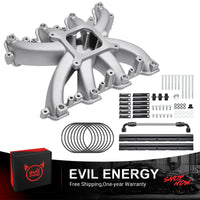
EVIL ENERGY LS1 LS2 LS6 EFI Intake Manifold with Fuel Rails - Silver---!@!start!@!---Specifications---!@!end!@!--- Intake Manifold Product Details Brand EVIL ENERGY Part Number 300-137 Product Name LS EFI Intake Manifold with Fuel Rails for LS1/LS2/LS6 Cathedral Port Engines Manifold Type Single Plane / Hybrid Performance EFI Intake Manifold Fuel System Compatibility EFI Included Fuel Delivery Fuel rails...
- $229.99
- $229.99
- Unit price
- per
-
Silver
-
Black
-
Polished Silver
-
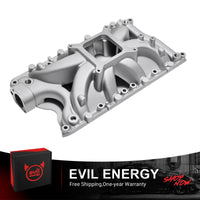
EVIL ENERGY Ford Small Block Polished Dual Plane Air Gap Intake Manifold - Silver---!@!start!@!---Specifications---!@!end!@!--- Intake Manifold Product Details Brand EVIL ENERGY Part Number 4026 Product Name Ford Small Block Polished Dual Plane Air Gap Intake Manifold Manifold Type Polished Dual Plane Air Gap Intake Manifold Fuel System Compatibility Carburetor Intake Style Dual plane air gap carburetor intake...
- $159.99
- $159.99
- Unit price
- per
-
Silver
-
Black
-
Polished Silver
-
EVIL ENERGY Small Block Chevy Vortec Dual Plane Intake Manifold - Silver
- $159.99
- $159.99
- Unit price
- per
-
Silver
-
Polished Silver
-
Black
-
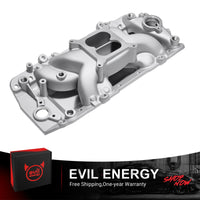
EVIL ENERGY Small Block Chevy Dual Plane High Rise Intake Manifold - Black---!@!start!@!---Specifications---!@!end!@!--- Intake Manifold Product Details Brand EVIL ENERGY Part Number 2021 Manifold Type Dual Plane High-Rise Intake Manifold Fuel System Compatibility Carburetor RPM Range 2,500 - 4,500 RPM Material Cast Aluminum Color Silver / Black / Polished Silver Compatible Engine Family 1957-86 262-400 cid...
- $149.99
- $149.99
- Unit price
- per
-
Silver
-
Black
-
Polished Silver
-
EVIL ENERGY Dual Plane LS1 LS2 LS6 Carburetor Intake Manifold - Silver---!@!start!@!---Specifications---!@!end!@!--- Intake Manifold Product Details Brand EVIL ENERGY Part Number 300-130 Product Name Dual Plane Intake Manifold - GM LS1/LS2/LS6 (Aluminum) Manifold Type Dual Plane Carburetor Intake Manifold Fuel System Compatibility Carburetor Intake Style Original-style intake layout RPM Range 2000-4500 RPM Material Cast Aluminum...
- $169.99
- $169.99
- Unit price
- per
-
Silver
-
Black
-
Polished Silver
-
EVIL ENERGY 102mm HI-RAM LS3 Intake Manifold 300117 Aluminum EFI for LS3 L92 L99 L76 Rectangular Port with Fuel Rails - Silver---!@!start!@!---Specifications---!@!end!@!--- Product Details Brand EVIL ENERGY Part Number 300117 Manifold Type HI-RAM (High-Rise) RPM Range Peak Torque ~5,000–7,000+ RPM; Peak HP ~7,000–8,500+ RPM Material Premium Cast Aluminum Alloy Finish Silver / Black / Polished Silver Throttle Body Bore 102 mm Compatible Engine Family Fits...
- $449.99
- $449.99
- Unit price
- per
-
Silver
-
Black
-
Polished Silver
-
EVIL ENERGY 92mm HI-RAM LS3 Intake Manifold Aluminum EFI for LS3 L92 L99 L76 Rectangular Port with Fuel Rails - Silver---!@!start!@!---Specifications---!@!end!@!--- Product Details Brand EVIL ENERGY Part Number 1918S+1918 / 300116 Manifold Type HI-RAM (High-Rise) RPM Range Peak Torque ~5,000–7,000+ RPM; Peak HP ~7,000–8,500+ RPM Material Premium Cast Aluminum Alloy Finish Silver / Black / Polished Silver Throttle Body Bore 92 mm Compatible Engine...
- $439.99
- $439.99
- Unit price
- per
-
Silver
-
Black
-
Polished Silver
-
EVIL ENERGY Dual Plane Ford 351W Intake Manifold Carburetor for Small Block Windsor (SBF) - Silver---!@!start!@!---Specifications---!@!end!@!--- Intake Manifold Product Details Brand EVIL ENERGY Part Number 4023 Manifold Type Typhoon Dual Plane(351W) RPM Range 1500–6500 RPM Material Premium Cast Aluminum Alloy Color Silver/Black/Polished Silver Compatible Engine Ford Small Block SBF Windsor 351W 5.8L V8 Engine Fuel System Compatibility Carburetor Dimensions...
- $159.99
- $159.99
- Unit price
- per
-
Silver
-
Black
-
Polished Silver
-
EVIL ENERGY LS Carb Intake Manifold Single Plane 300-131 for GM LS Gen IV LS3/L92/L99/L76 Rectangular Port - Polished Silver---!@!start!@!---Specifications---!@!end!@!--- Product Details Brand EVIL ENERGY Part Number 300-131 Port Style Rectangle Port Manifold Type Single Plane RPM Range 5000–7500+ RPM Material Premium Cast Aluminum Alloy Color Matte Black / Silver / Polished Silver Port Type Rectangular Port (LS3 / L92 / L99 /...
- $169.99
- $169.99
- Unit price
- per
-
Black
-
Silver
-
Polished Silver
-
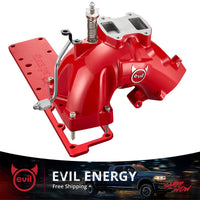
EvilEnergy Intake Manifold & Grid Heater Delete Plate for 2007–2024 Dodge Ram 2500/3500 6.7L Cummins - Red
- $599.00
- $599.00
- Unit price
- per
-
Red
-
Black
-
Evil Energy LS EFI System - Master Kit | Intake Manifold & Fuel Rail for Gen III LS1, LS2 | Inline Fuel Pump | Fuel Filter | PTFE Fuel Hose
- $826.68
- $826.68
$0.00- Unit price
- per
-
Evil Energy LS EFI System - Master Kit | Intake Manifold & Fuel Rail for GM LS3 L92 V8 6.2L | Inline Fuel Pump | Fuel Filter | PTFE Fuel Hose
- $648.18
- $648.18
$0.00- Unit price
- per
-
Evil Energy LS EFI System - Master Kit | Intake Manifold & Fuel Rail for GM LS1/LS2/LS6 | Inline Fuel Pump | Fuel Filter | PTFE Fuel Hose
- $622.59
- $622.59
$0.00- Unit price
- per
-
Dual-Plane Intake Manifold for Ford Small Block Carbureted Engines (221/260/289/302) | Satin Aluminum | Off-Road Use| EVIL ENERGY
- $208.99
- $208.99
$259.99- Unit price
- per
-
5.8L/351 V8 Performance Intake Manifold for Ford Windsor 351W | Typhoon Series | Evil Energy
- $188.99
- $188.99
$249.99- Unit price
- per
-
Intake Manifold for Ford FE Big-Block V8 (1958-1976) | EVIL ENERGY
- $299.00
- $299.00
$369.99- Unit price
- per
-
Super Victor EFI Intake Manifold with Fuel Rail Kits for Gen III LS1, LS2 – High-Performance, Forced Induction Ready | 28095S | Evil Energy
- $139.99
- $139.99
$189.99- Unit price
- per
-
EVIL ENERGY Single Plane Mid-Rise EFI Intake Manifold for GM LS3 L92 V8 6.2L With Fuel Rail Kits
- $109.99
- $109.99
$189.99- Unit price
- per
![[Silver]](http://www.ievilenergy.com/cdn/shop/files/EVILENERGYChevySmallBlockDualPlaneIntakeManifold-silver-7.22-m1_1160x.webp?v=1784861857)
![[Black]](http://www.ievilenergy.com/cdn/shop/files/EVILENERGYLS1LS2LS6SinglePlaneCarburetorIntakeManifold-black-7.7-m1_1160x.webp?v=1783476925)
![[Silver]](http://www.ievilenergy.com/cdn/shop/files/EVIL_ENERGY_LS1_LS2_LS6_Single_Plane_Carburetor_Intake_Manifold-Silver-7.7-m1_1160x.webp?v=1783477084)
![[Silver]](http://www.ievilenergy.com/cdn/shop/files/EVILENERGYLS1LS2LS6EFIIntakeManifoldwithFuelRails-Silver-7.6-m1_1160x.webp?v=1783419730)
![[Black]](http://www.ievilenergy.com/cdn/shop/files/EVIL_ENERGY_LS1_LS2_LS6_EFI_Intake_Manifold_with_Fuel_Rails-Black-7.6-m1_1160x.webp?v=1783419860)
![[Silver]](http://www.ievilenergy.com/cdn/shop/files/EVILENERGYFordSmallBlockPolishedDualPlaneAirGapIntakeManifold-7.6-m1_1160x.webp?v=1783396515)
![[Black]](http://www.ievilenergy.com/cdn/shop/files/EVILENERGYFordSmallBlockPolishedDualPlaneAirGapIntakeManifold-black-9.18-m1_1160x.webp?v=1790127526)
![[Silver]](http://www.ievilenergy.com/cdn/shop/files/EVILENERGYSmallBlockChevyVortecDualPlaneIntakeManifold-7.6-m1_1160x.webp?v=1783333917)
![[Polished Silver]](http://www.ievilenergy.com/cdn/shop/files/EVILENERGYSmallBlockChevyVortecDualPlaneIntakeManifold-PolishedSilver-7.7-m1_1160x.webp?v=1783489999)
![[Silver]](http://www.ievilenergy.com/cdn/shop/files/SmallBlockChevyDualPlaneHighRiseIntakeManifold-7.6-m1_1160x.webp?v=1783328396)
![[Black]](http://www.ievilenergy.com/cdn/shop/files/EVILENERGYSmallBlockChevyDualPlaneHighRiseIntakeManifold-black-7.22-m1_1160x.webp?v=1784862200)
![[Silver]](http://www.ievilenergy.com/cdn/shop/files/DualPlaneLS1LS2LS6CarburetorIntakeManifold-7.6-m1_1160x.webp?v=1783309202)
![[Black]](http://www.ievilenergy.com/cdn/shop/files/SmallBlockChevyDualPlaneHighRiseIntakeManifold-black-7.6-m1_1160x.webp?v=1783330102)
![[Silver,With Throttle Body]](http://www.ievilenergy.com/cdn/shop/files/EVILENERGY102mmHI-RAMLS3IntakeManifold300117AluminumEFIforLS3L92L99L76RectangularPortwithFuelRails-with-silver-9.10-m1-1_1160x.webp?v=1789093286)
![[Silver,With Throttle Body]](http://www.ievilenergy.com/cdn/shop/files/EVILENERGY102mmHI-RAMLS3IntakeManifold300117AluminumEFIforLS3L92L99L76RectangularPortwithFuelRails-with-silver-9.10-m1_1160x.webp?v=1789093285)
![[With Throttle Body,Silver]](http://www.ievilenergy.com/cdn/shop/files/EVILENERGY92mmHI-RAMLS3IntakeManifoldAluminumEFIforLS3L92L99L76RectangularPortwithFuelRails-with-silver-9.10-m1_1160x.webp?v=1789095144)
![[With Throttle Body,Black]](http://www.ievilenergy.com/cdn/shop/files/EVILENERGY92mmHI-RAMLS3IntakeManifoldAluminumEFIforLS3L92L99L76RectangularPortwithFuelRails-with-black-9.10-m1_1160x.webp?v=1789095533)
![[Silver]EVIL ENERGY 351W single plane intake manifold part 4023 in polished silver aluminum, featuring free shipping and one-year warranty badge.](http://www.ievilenergy.com/cdn/shop/files/01_914b0b15-4d8a-467f-9644-d8a480e68439_940x.webp?v=1779866133)
![[Black]](http://www.ievilenergy.com/cdn/shop/files/EVILENERGYDualPlaneFord351WIntakeManifoldCarburetorforSmallBlockWindsor-Black-7.13-m1_1160x.webp?v=1784084923)
![[Black]](http://www.ievilenergy.com/cdn/shop/files/EVIL-ENERGY-92mm-LS3-HI-RAM-Intake-Manifold-Aluminum-EFI-for-LS3-L92-L99-L76-Rectangular-Port-with-Fuel-Rails-Page-Title-_Me-EVIL-ENERGY-169491633_940x.webp?v=1781885658)
![[Silver]](http://www.ievilenergy.com/cdn/shop/files/EVILENERGYLSCarbIntakeManifoldSinglePlane300-131forGMLSGenIVLS3L92L99L76RectangularPort-silver-7.28-m1_1160x.webp?v=1785377394)
![EvilEnergy Intake Manifold & Grid Heater Delete Plate for 2007–2024 Dodge Ram 2500/3500 6.7L Cummins - EVILENERGY[Red]](http://www.ievilenergy.com/cdn/shop/files/IS20-00001RD-002-L_1160x.jpg?v=1753951814)
![EvilEnergy Intake Manifold & Grid Heater Delete Plate for 2007–2024 Dodge Ram 2500/3500 6.7L Cummins - EVILENERGY[Black]](http://www.ievilenergy.com/cdn/shop/files/IS20-00001RD-002-L-8.26-m1_1160x.webp?v=1787729858)


![[Fuel Rail +Intake Manifold Bundle]](http://www.ievilenergy.com/cdn/shop/files/Evil_Energy_intake_manifold_fuel_rail_940x.png?v=1735213573)
![[Intake Manifold]](http://www.ievilenergy.com/cdn/shop/files/Evil_Energy_intake_manifold_940x.png?v=1735213575)
Subscribe now to get a gift with your first order!