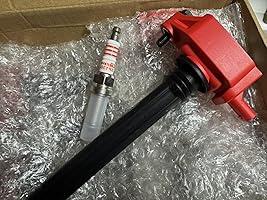
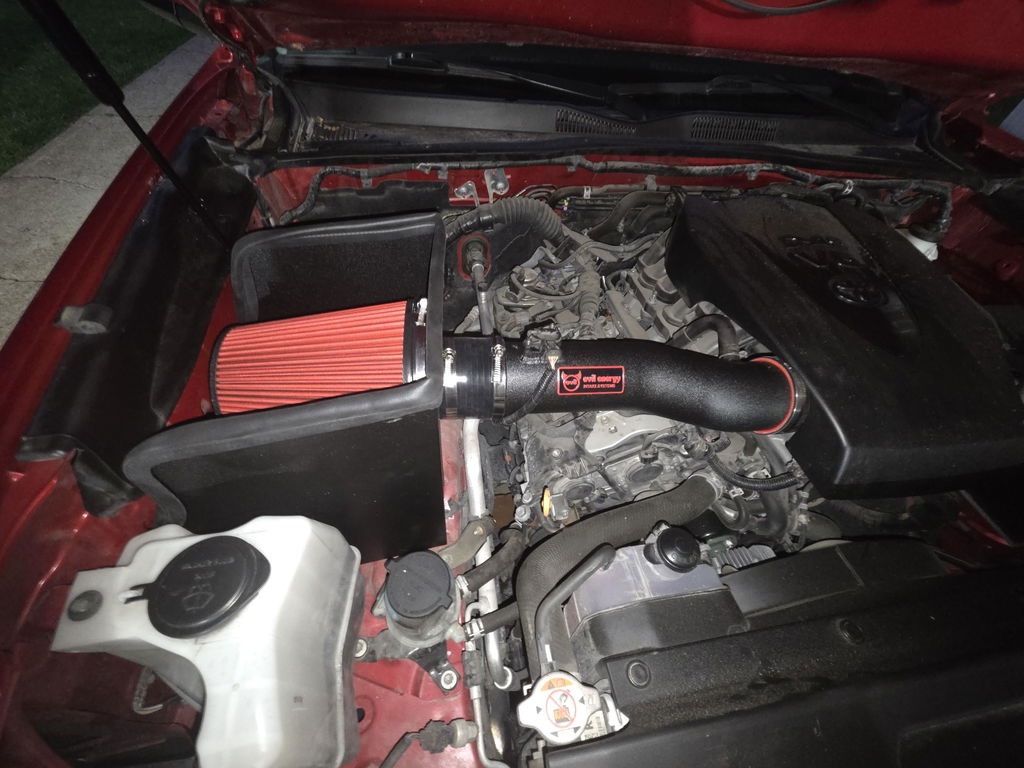
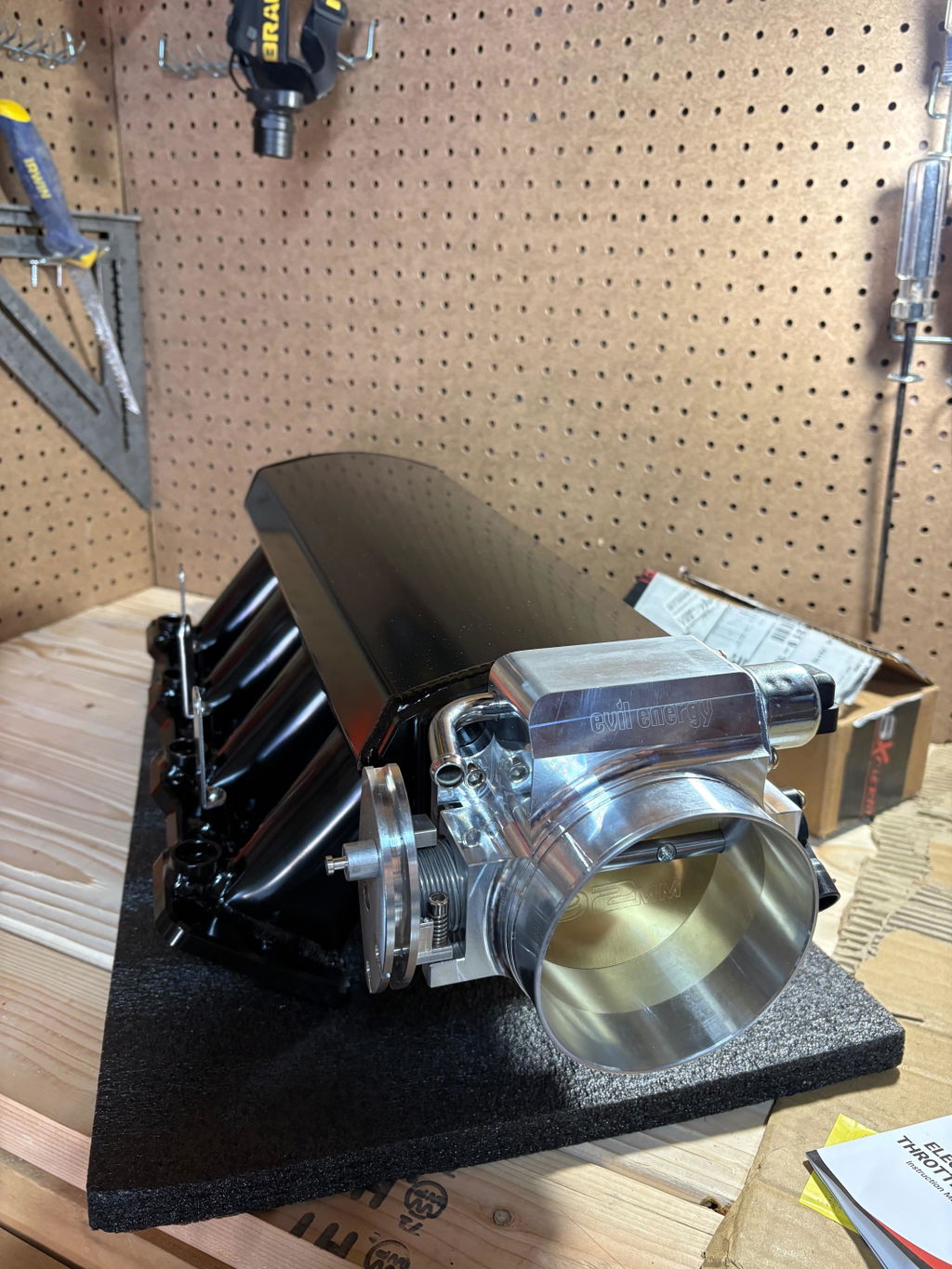
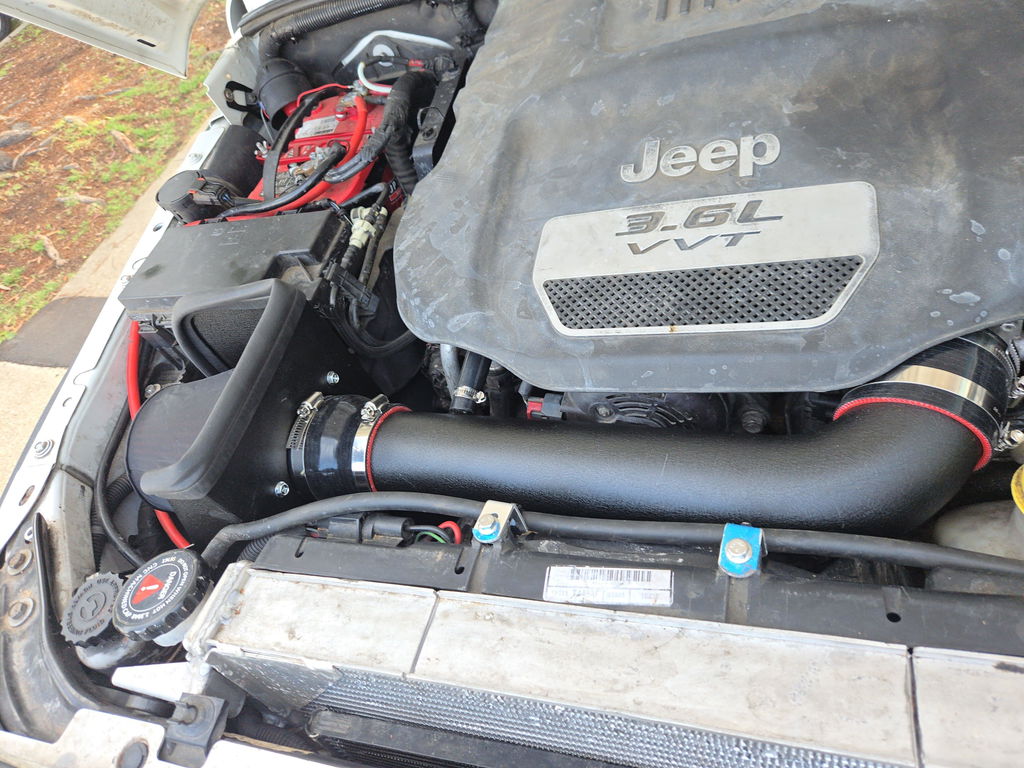
Optimized for 1999-2014 Chevy LS engines (4.8L/5.3L/6.0L) and swaps(LS-based engines).
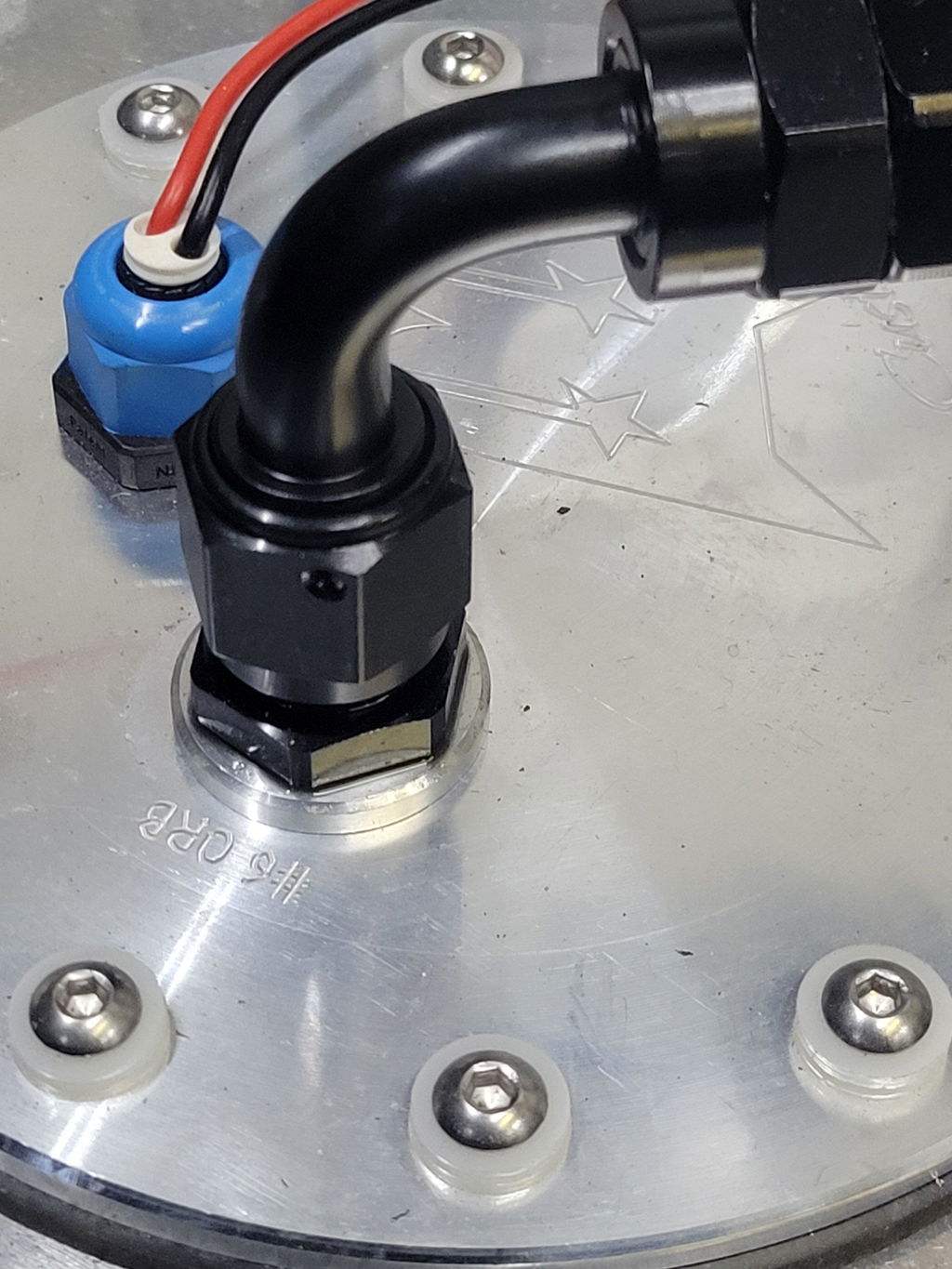
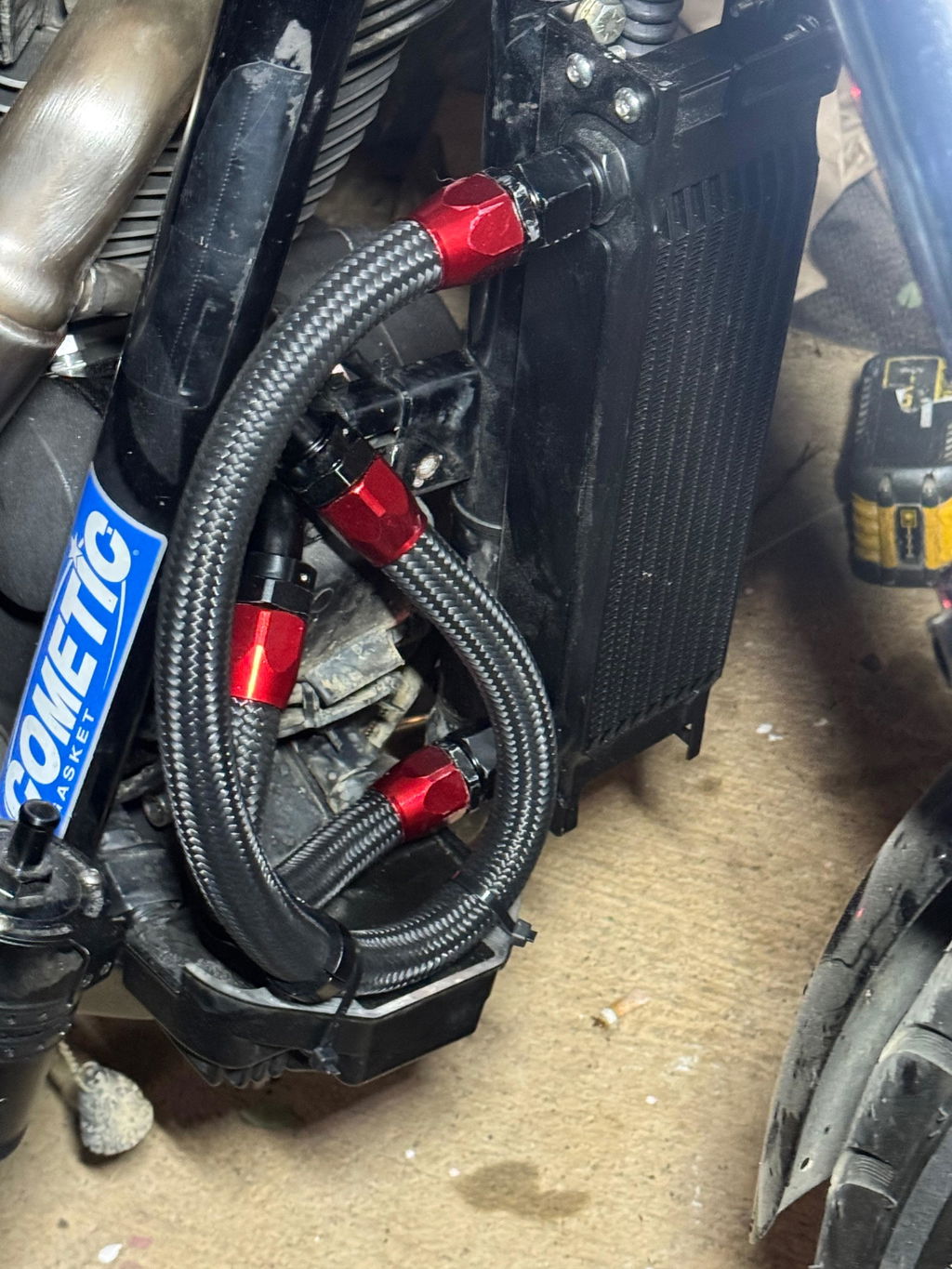
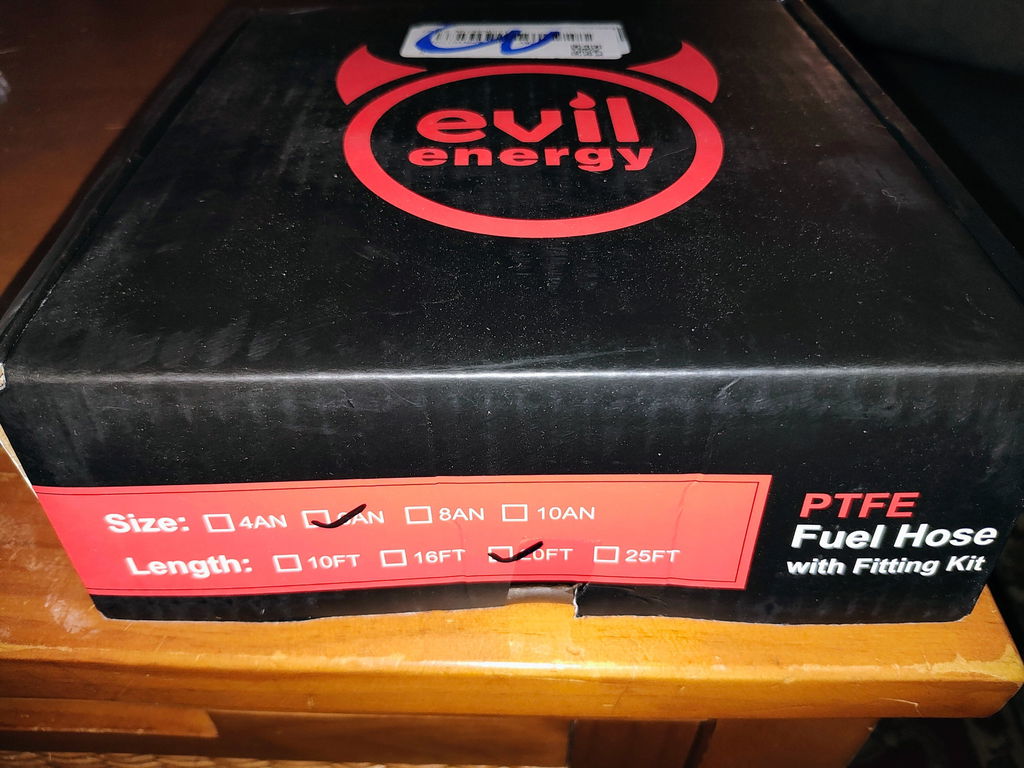
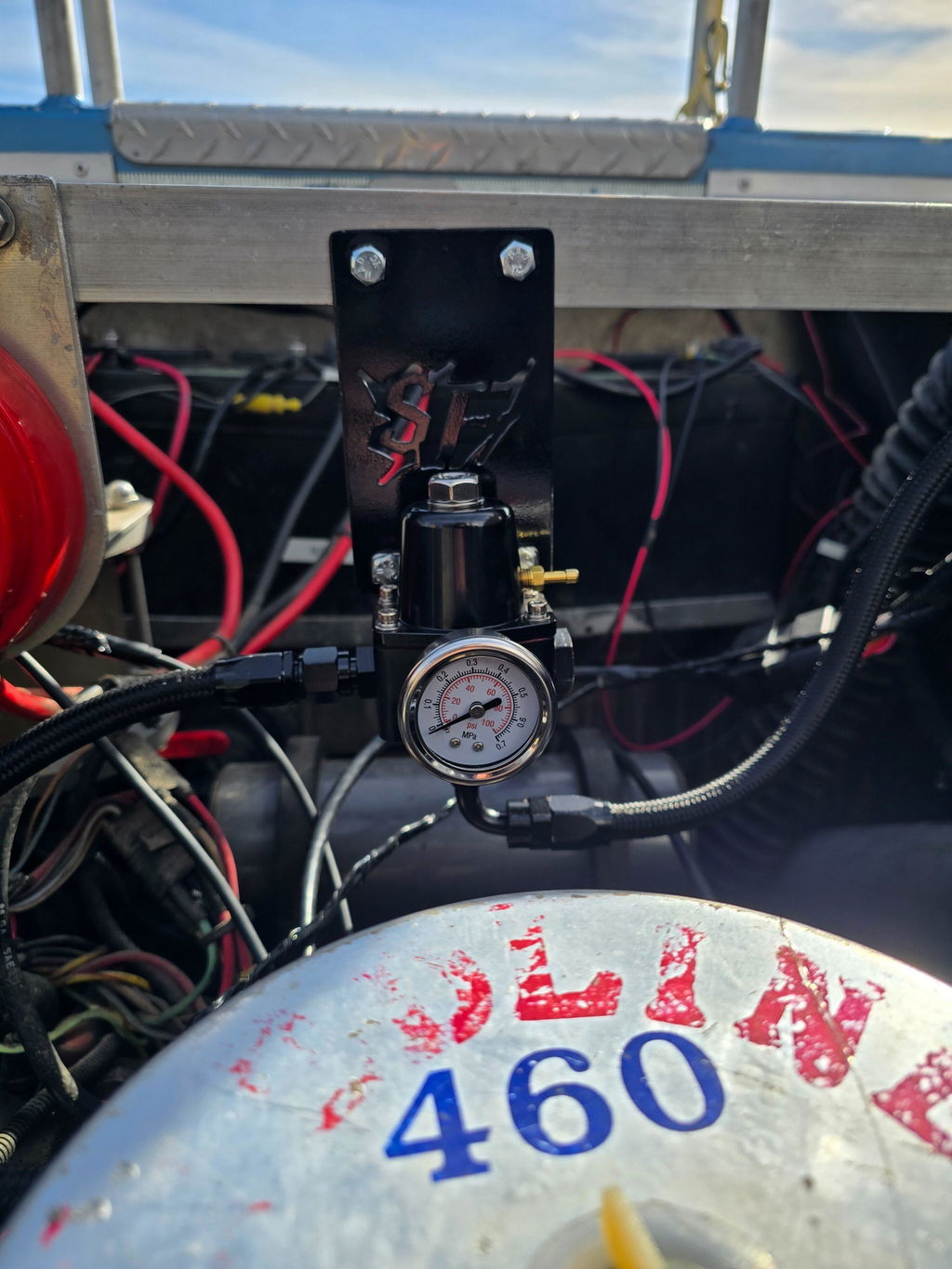
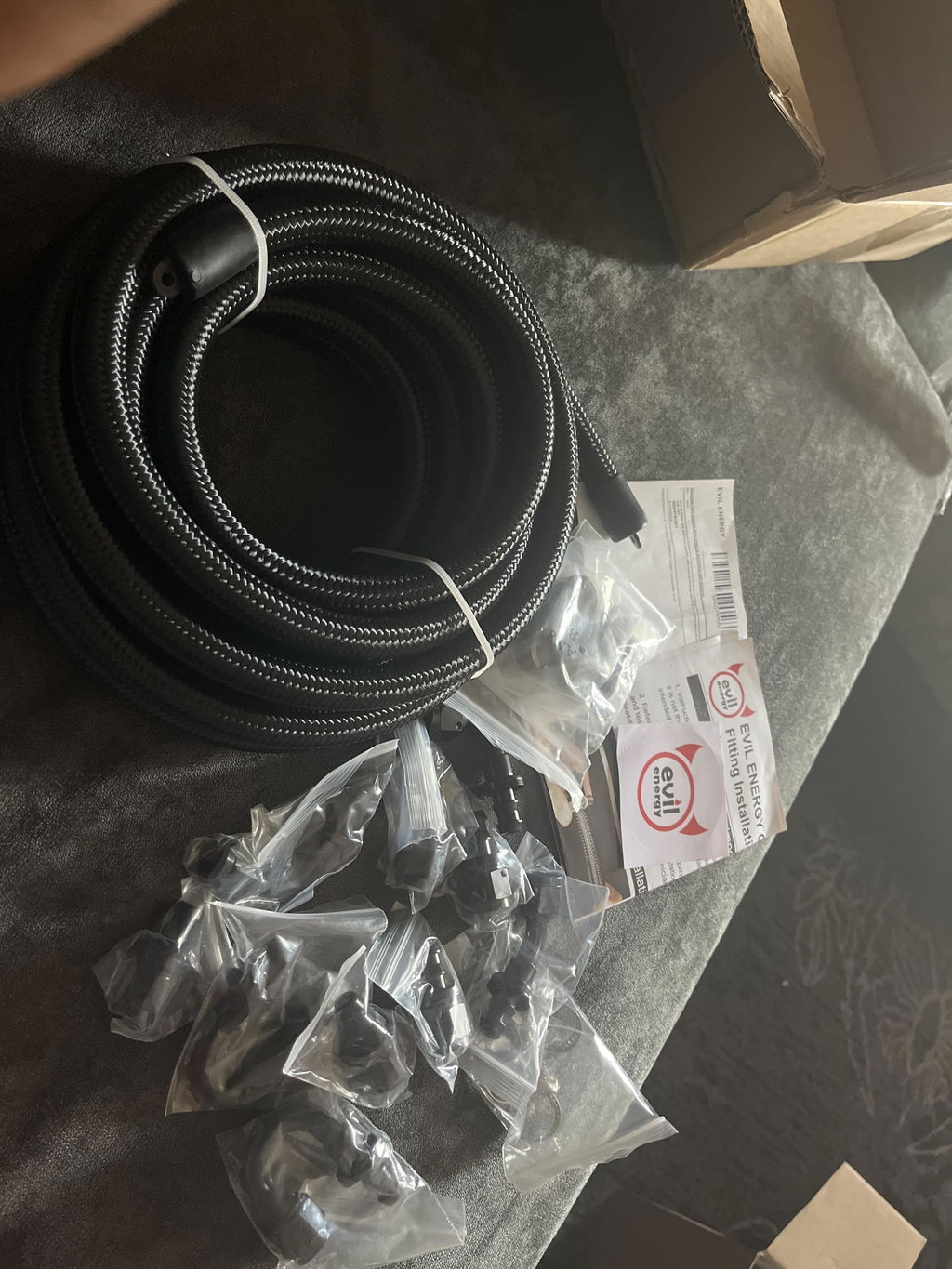
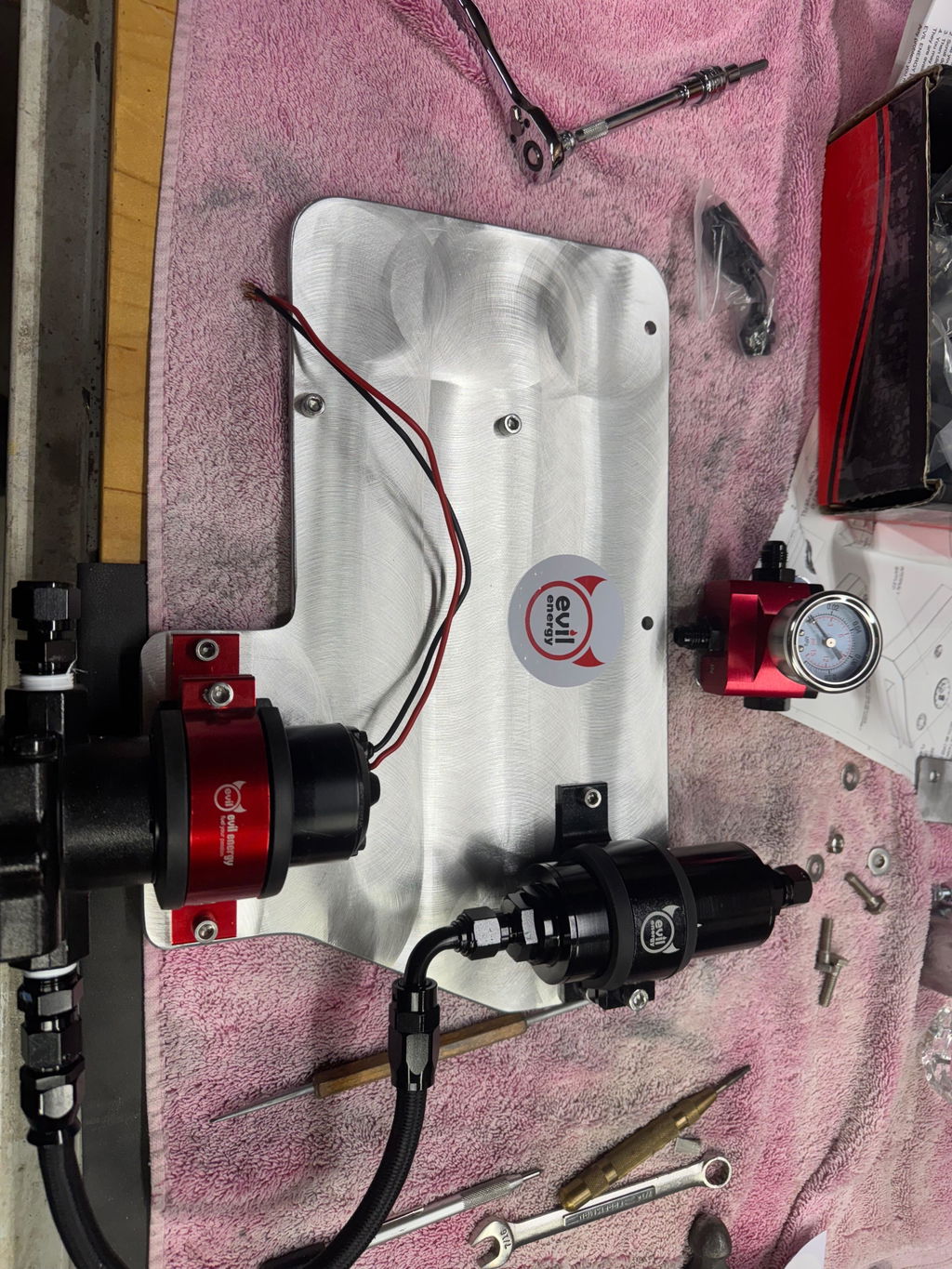
this complete fuel system upgrade includes a 58psi fuel pressure regulator with 10-micron filtration, a high-flow fuel pump (200-300LPH), and 6AN PTFE braided fuel lines (1500psi rated). Ensures reliable fuel delivery for gasoline, E85, and diesel applications. Ideal for LS engine builds, performance upgrades, and boosted applications with durable, precision-engineered components.
Celebrate a decade of 'Never Stop Evolving.' Born in a Mississippi garage in 2016 from founder Jack 'Rusty' Delaney’s passion for his 1969 Chevelle SS, EVIL ENERGY has grown into a global leader trusted by over 100 million users. Backed by 30 years of R&D heritage and a massive selection of 20,000+ precision components,...
Symptoms of a bad fuel pressure sensor often mimic mechanical fuel pump failure, leading to engine stalling, rough idling, and poor acceleration. While the fuel rail pressure sensor acts as the system's 'eyes' (sending electronic data to the ECU), the regulator acts as the 'muscle' (physically controlling PSI). If you encounter a faulty fuel...
Low fuel pressure occurs when the fuel system fails to maintain the necessary PSI, leading to engine stalling, misfires, and decreased power. Common low fuel pressure causes range from clogged filters and failing regulators to weak fuel pumps. To diagnose a fuel pressure issue, perform a vacuum test on the regulator and a dynamic...
This article provides a comprehensive technical breakdown of fuel pressure regulator (FPR) failure across two distinct platforms: high-precision BMW gasoline engines and heavy-duty Duramax LB7 diesels. We explore the critical warning signs—ranging from BMW's system-rich codes (P0172) and black exhaust smoke to the LB7’s infamous surging idle and ‘fuel knock’ clatter. Beyond basic symptoms,...
Learning how to test a fuel pressure regulator is the first line of defense against engine misfires and poor performance. This comprehensive diagnostic guide walks you through three professional methods—vacuum hose inspection, dynamic gauge testing, and static hold tests—to help you identify how to check for a bad fuel pressure regulator. Whether you are...
Identifying bad fuel pressure regulator symptoms is critical for maintaining engine health and preventing costly performance failures. This guide provides a deep-dive analysis into the 10 most frequent signs of a bad fuel regulator, ranging from visual cues like black smoke and carbon-fouled spark plugs to drivability issues such as severe acceleration lag and...
Identifying fuel pump relay fuse blown symptoms is the first step in resolving engine starting issues. Common signs include a vehicle that cranks but won't start, sudden stalling, or the lack of a priming sound from the gas tank. These fuel pump fuse blown symptoms often indicate an underlying issue, such as a failing...