![[20FT] EVIL ENERGY PTFE Fuel Line Kit, complete black hose & fittings set, 180-day return](http://www.ievilenergy.com/cdn/shop/files/Test-2025-Evilenergy-125598065_940x.png?v=1742144807)
![[16FT] EVIL ENERGY PTFE Fuel Line Kit, black braided hose, fittings, free shipping & return](http://www.ievilenergy.com/cdn/shop/files/Test-2025-Evilenergy-125598171_940x.png?v=1742144807)
![CPE Fuel Line[25FT]](http://www.ievilenergy.com/cdn/shop/files/25FTCPE_FuelLine_940x.png?v=1735220649)
![CPE Fuel Line[20FT]](http://www.ievilenergy.com/cdn/shop/files/20FTCPE_FuelLine_940x.png?v=1735220649)





E85 Flex Fuel Guide: Unlock 100+ Octane Power with the Right Conversion Kit

🎁 A Personal Gift For My Readers
To support your project, I've secured an exclusive 8% OFF for you.
Simply paste the code at checkout.
💡 Use the savings to grab your extra fittings, oil lines, or connectors for free!
If you want to convert to flex fuel, you are likely chasing the massive cooling and octane benefits that enthusiasts rave about on every flex fuel website. Whether you are building a high-horsepower LS swap or a reliable daily driver, installing an E85 fuel kit is the most cost-effective way to get 'race gas' performance directly from the pump. But how do you choose the right E85 flex fuel kit, and what are the legalities for an E85 conversion kit California residents can use? This guide breaks down science, the hardware, and the installation.
Why Convert to Flex Fuel?
Many gearheads on performance forums ask: Is it worth it to convert to flex fuel? The answer lies in the chemistry of combustion.
-
High Octane Rating: E85 is essentially a high-octane racing fuel available at public stations. It typically carries a 100-105+ octane rating. This allows your engine's ECU to advance ignition timing without the risk of knock, a common goal for anyone researching a flex fuel conversion.
|
Performance Metric
|
Standard Gasoline (91/93 Octane)
|
E85 Ethanol Blend
|
The Advantage
|
|
Octane Rating
|
91 - 93
|
100 - 105+
|
Prevents knocking; allows aggressive timing.
|
|
Combustion Temp
|
High
|
Significantly Lower
|
Superior cooling; prevents heat soak.
|
|
Fuel Flow Req.
|
Baseline (100%)
|
Requires ~30% More
|
Needs a high-flow E85 fuel kit.
|
|
HP Gains
|
Baseline
|
5% - 15% Increase
|
Massive gains for turbo/supercharged builds.
|
- Chemical Efficiency & Cooling: Using the octane combustion logic: 2 C8H18 + 25 O2 → 16 CO2 + 18 H2O + Energy, we see that while gasoline is energy-dense, ethanol has a much higher latent heat of vaporization. This creates a superior cooling effect, which is 'magic' for forced induction engines (turbo/superchargers) to prevent heat soak.
- Environmental Impact: Beyond power, using an ethanol fuel kit reduces your carbon footprint. Ethanol is a renewable fuel source, and a flex fuel conversion kit allows you to burn a cleaner-burning blend compared to pure fossil fuels.
Choosing the Right E85 Conversion Kit
Selecting the correct E85 conversion kit depends on your vehicle's current fuel system capacity and your power goals.
Standard E85 Fuel Kit
For the average daily driver, a standard E85 fuel kit provides the necessary sensor and piggyback controller to adjust fuel trims. This is the ideal E85 conversion kit for those who want the flexibility to switch between 91 octane and E85 without manual tuning.
Performance Flex Fuel Kit
For LS swaps, drifting, or drag racing, you need a performance flex fuel kit. These systems are designed to handle the 30% increase in fuel volume required by ethanol. When you convert to flex fuel in a high-horsepower application, ensuring your fuel pump and injectors can keep up is critical.
Ethanol Fuel Kit Components
A high-quality ethanol E85 kit should include:
-
Ethanol Content Sensor: The heart of the flex fuel kit, measuring the actual alcohol percentage.
-
Plug-and-Play Harness: To connect to the ECU without cutting factory wires.
-
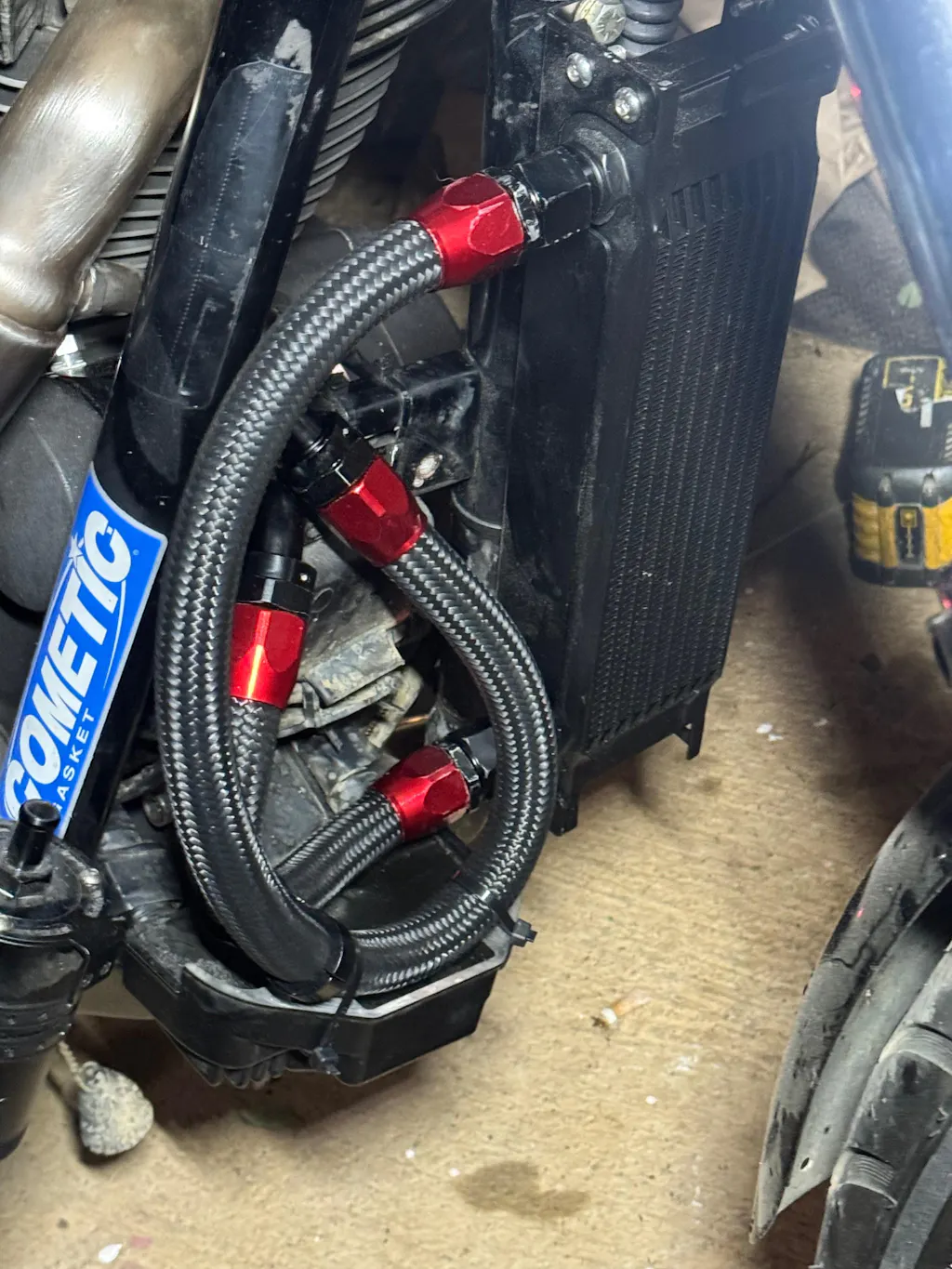
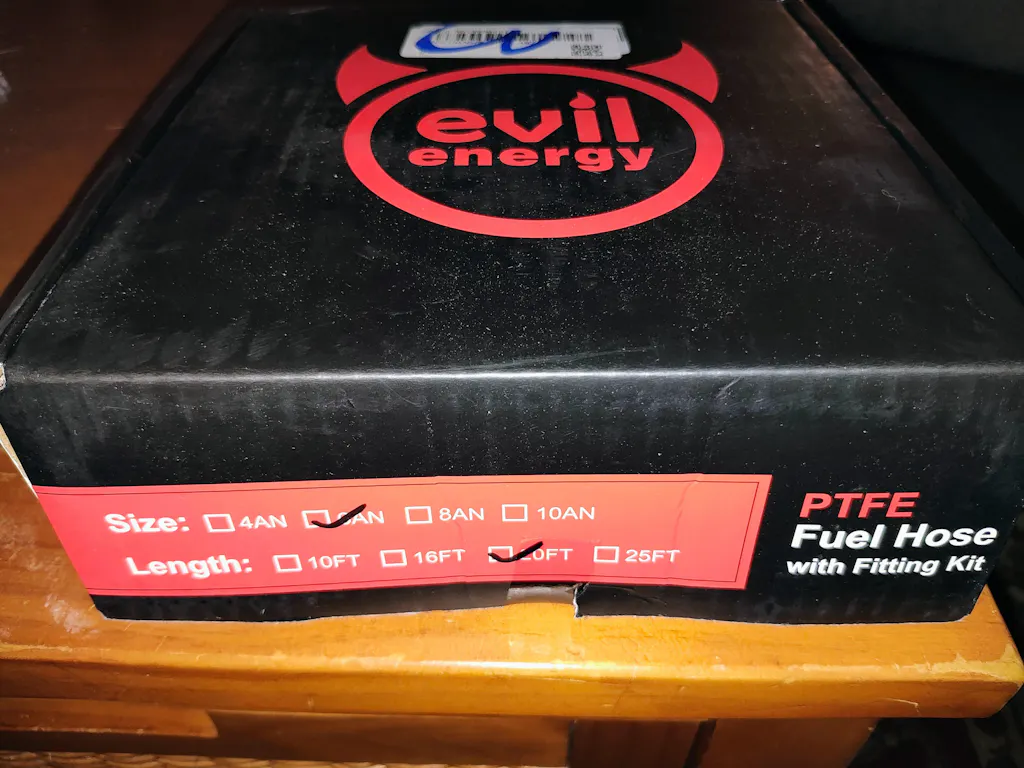
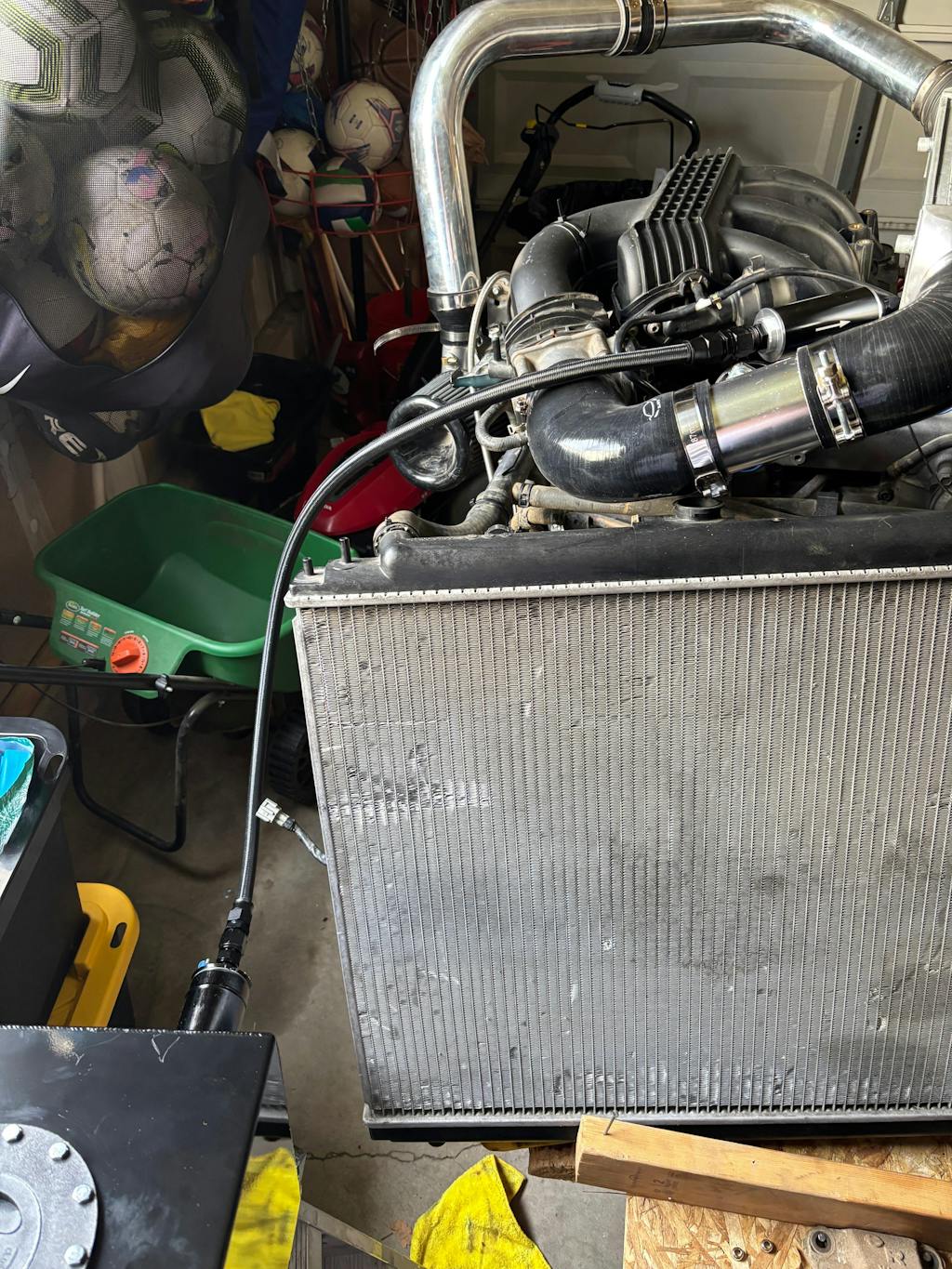
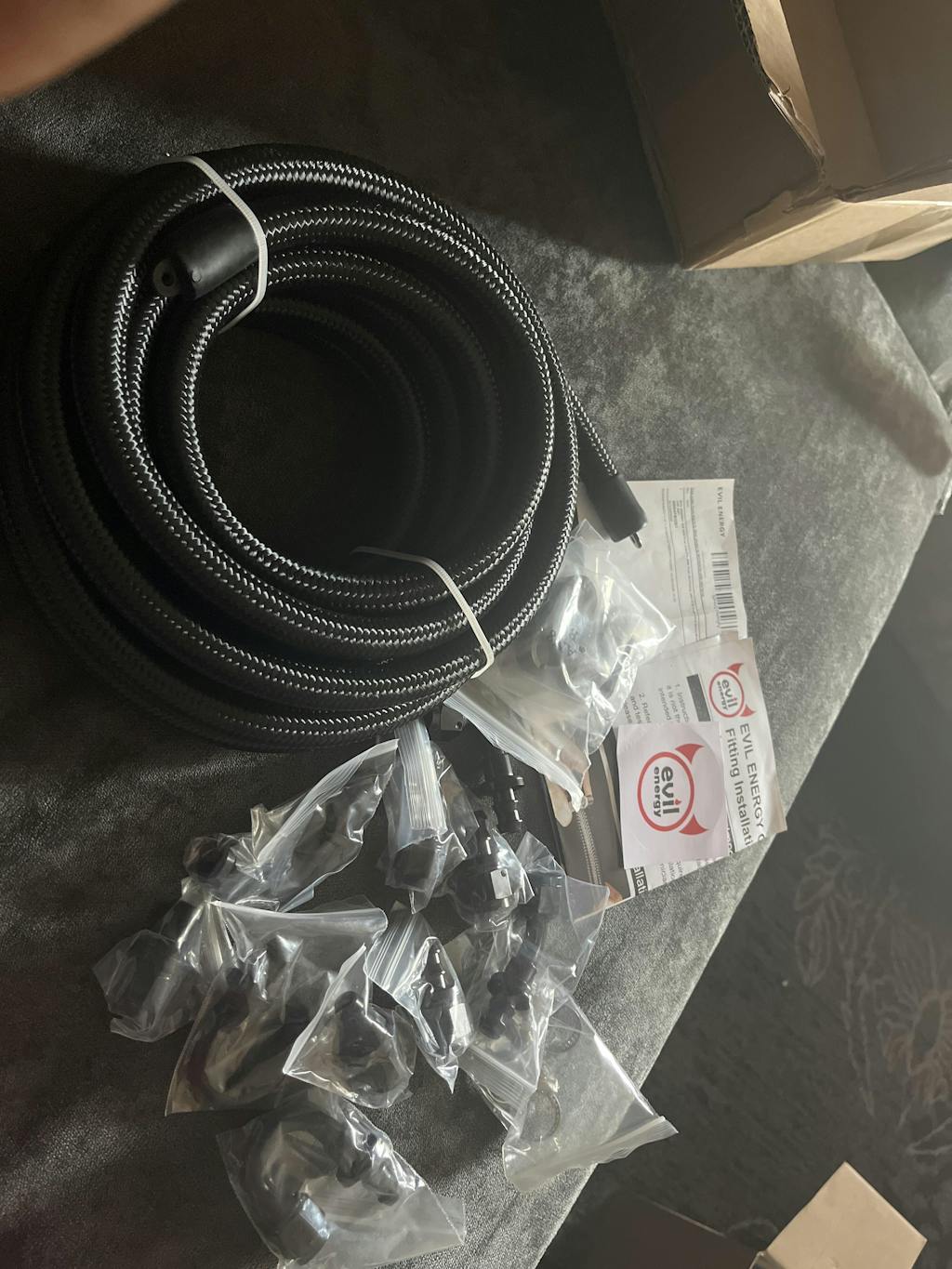
Compatible Fuel Lines: PTFE-lined hoses are recommended for any ethanol fuel kit to prevent long-term corrosion.

E85 Conversion Kit California Compliance
If you are looking for an E85 conversion kit California residents can legally install, you must be aware of CARB (California Air Resources Board) regulations.
California has the strictest emissions laws in the US. To stay street-legal, your E85 conversion kit California choice must have an Executive Order (EO) number. Many performance enthusiasts consult a flex fuel website specifically dedicated to emissions-compliant hardware to ensure they can pass the smog check. Always verify that your E85 flex fuel kit is listed as 'street legal' before purchasing for a registered street vehicle in the Golden State.

How to Install a Flex Fuel Conversion Kit
Ready to start your flex fuel conversion? Follow this step-by-step process used by pro shops.
-
Preparation: Safety first. Depressurize the fuel system by removing the fuel pump fuse and cranking the engine.
-
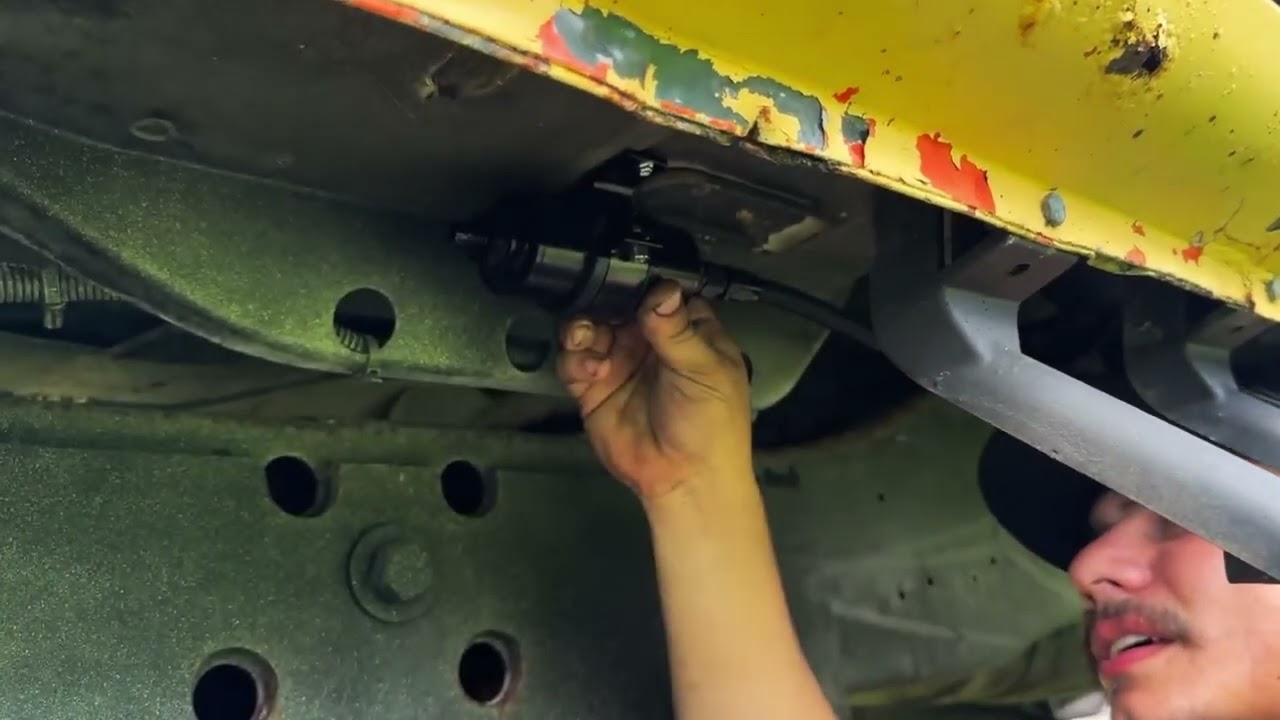
Sensor Integration: Cut or disconnect your existing fuel feed line to install the ethanol content sensor. Use a dedicated LS fuel line adapter kit for a leak-free seal.
-
Wiring: Connect the sensor harness. For a modern flex fuel conversion kit, this usually involves pinning into the factory ECU or connecting to a dedicated controller.
-
Calibration: Once installed, check your preferred flex fuel website or tuning software. The software interprets the 50Hz-150Hz signal from the sensor to adjust ignition and fueling in real-time.

Why Choose EVIL ENERGY for Your Flex Fuel Build?
When you convert to flex fuel, the reliability of your hardware is the only thing standing between peak performance and catastrophic engine failure. EVIL ENERGY specializes in professional-grade fuel delivery components that make your flex fuel conversion seamless and secure.
Why Enthusiasts Trust EVIL ENERGY:
-
True E85 Compatibility: Our E85 fuel kits utilize premium PTFE (Teflon) lining. Unlike standard rubber, our lines will never crack or leak when exposed to high ethanol concentrations.
-
Precision Engineering: Every E85 flex fuel kit we sell features 6061-T6 aircraft-grade aluminum fittings, ensuring a leak-proof seal under high pressure.
-
Built for LS Swaps: We offer the specific LS fuel line adapter kits and connectors required to integrate a modern ethanol fuel kit into classic and custom chassis.
-
Proven Reliability: EVIL ENERGY products are tested in extreme environments, providing the same durability as high-end race brands at a fraction of the cost.
Unleash the Science of Your Machine
Whether you need a complete flex fuel conversion kit or specific ethanol E85 kit components, EVIL ENERGY provides the hardware you need to build with confidence.
Summary: Is a Flex Fuel Kit Right for You?
The decision to invest in an E85 fuel kit comes down to your desire for power and flexibility. A flex fuel kit gives you the best of both worlds: the ability to run cheap 87 octane when cruising and high-performance E85 when you hit the track. By choosing a high-quality ethanol E85 kit and following the proper flex fuel conversion steps, you can safely unleash your engine's true potential.
FAQs About E85 Flex Fuel
Q1: Can I switch back to regular gasoline after installing an E85 fuel kit?
A: Yes. The beauty of a modern flex fuel conversion kit is its ability to detect the ethanol percentage in real-time. Whether you have 10% or 85% ethanol in your tank, the sensor communicates with your ECU to adjust fueling automatically, allowing you to use whatever fuel is available at the pump.
Q2: Will E85 damage my factory fuel lines?
A: On older vehicles (pre-2000s), ethanol can degrade standard rubber lines. To ensure a safe flex fuel conversion, we recommend upgrading to PTFE-lined hoses. EVIL ENERGY specializes in E85-compatible PTFE lines that are immune to the corrosive properties of high-ethanol blends.
Q3: Does E85 reduce my fuel economy?
A: Yes. Because ethanol has a lower energy density than gasoline, your engine requires roughly 30% more fuel volume to maintain the same power. While your MPG will drop, the cost per gallon is often lower, and the performance gains from the E85 fuel kit usually outweigh the efficiency loss for enthusiasts.
Q4: Is an E85 conversion kit California street legal?
A: For a registered street vehicle in California, your E85 conversion kit California must be CARB-compliant and carry an Executive Order (EO) number. Always check the flex fuel website of the manufacturer to ensure the specific kit is legal for your engine family before heading to a smog station.
Q5: Do I need bigger fuel injectors for an E85 flex fuel kit?
A: Usually, yes. Since E85 requires 30% more flow, your stock injectors might 'max out' at high RPMs. When you convert to flex fuel, it is best practice to calculate your injector duty cycle to ensure your ethanol fuel kit can deliver enough volume under full load.
Q6: What happens if my ethanol sensor fails?
A: Most high-quality flex fuel conversion kits have a 'fail-safe' mode. If the sensor stops sending a signal, the ECU will typically revert to a conservative gasoline-only map to prevent engine damage from a lean condition.
Q7: Can I install a flex fuel kit on a carbureted engine?
A: It is much more complex. While you can buy an ethanol E85 kit for carburetors, you must manually change jets or use a specialized E85 carb. For true 'flex' capability, we recommend upgrading to an EFI fuel kit first.
Q8: Why is my car harder to start in the winter on E85?
A: Ethanol has a higher flash point than gasoline, making it harder to ignite in freezing temperatures. Most flex fuel kits and tuners account for this by adding 'cold start enrichment,' but it is a known characteristic of the fuel.
Q9: Do I need a special fuel pump for an ethanol fuel kit?
A: Yes, you need an 'E85 Rated' pump. Ethanol is electrically conductive and can cause internal short-circuits in non-rated pumps. EVIL ENERGY offers a range of E85-compatible pumps designed specifically for the higher flow demands of a flex fuel conversion.
Q10: Where can I find a map of E85 stations?
A: Most users rely on a dedicated flex fuel website or mobile apps like Alternative Fueling Station Locator to find ethanol-blended fuel nearby, especially when traveling outside of major metropolitan areas.