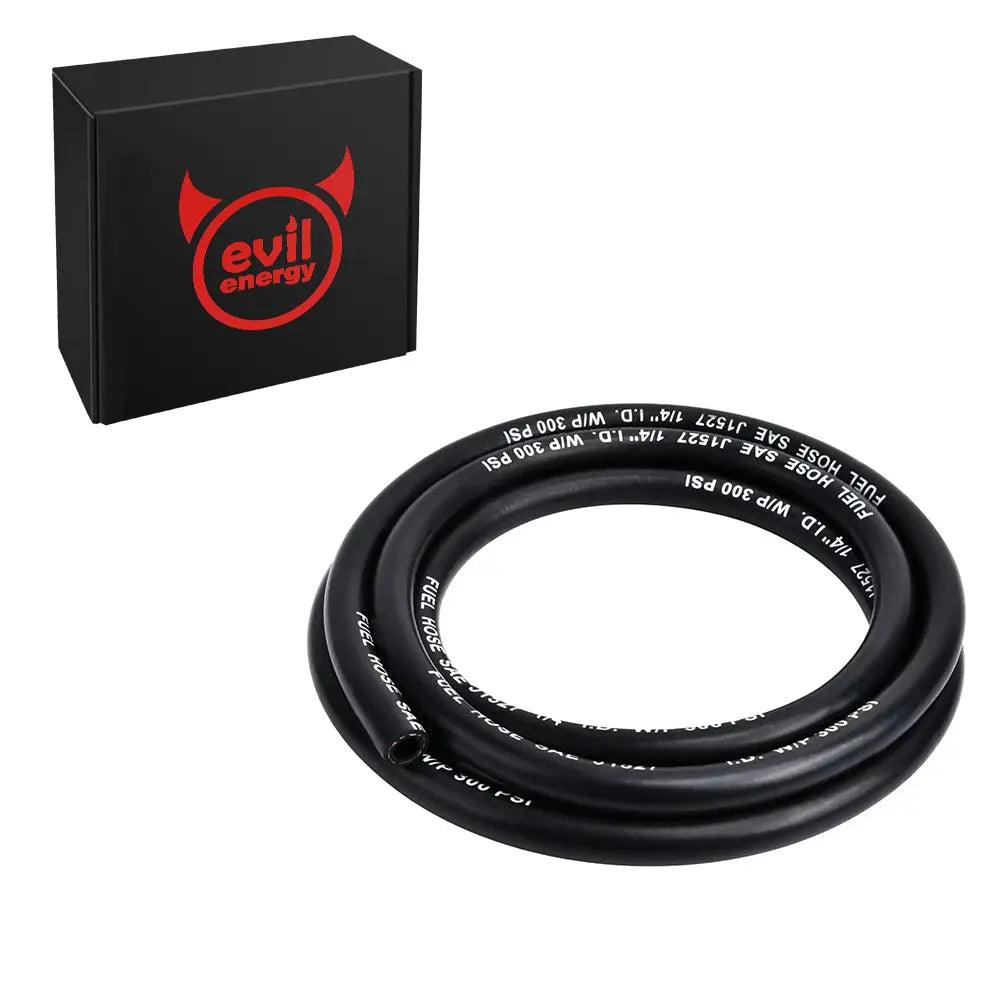
Evilenergy EVIL ENERGY Fuel Line Marine Rubber Hose 10FT Type A1-15 SAE J1527 (3/8 1/4 5/16 Inch )
EVIL ENERGY Fuel Line Marine Rubber Hose Type A1-15 SAE J1527 10FT(3/8 1/4 5/16 Inch )
EVIL ENERGY Fuel Line Marine Rubber Hose Type A1-15 SAE J1527 25FT(3/8 1/4 5/16 Inch )

EVIL ENERGY Marine Fuel Hose 10FT, SAE J1527 Type A1-15, 1/4 in, 5/16 in, 3/8 in ID

$33.99
$33.99
$52.19
Size: 3/8 Inch
Length: 10FT
SKU: EVKT01894S1BK-3.05-AMZ1
Product Type: Marine Fuel Hose
EVIL ENERGY checkout payment icons and shopping service
Evilenergy EVIL ENERGY Fuel Line Marine Rubber Hose 10FT Type A1-15 SAE J1527 (3/8 1/4 5/16 Inch )

EVIL ENERGY Marine Fuel Hose 10FT, SAE J1527 Type A1-15, 1/4 in, 5/16 in, 3/8 in ID

$33.99 $52.19
$33.99 $52.19

EVIL ENERGY Marine Fuel Hose 10FT, SAE J1527 Type A1-15, 1/4 in, 5/16 in, 3/8 in ID

$33.99 $52.19
Size: 3/8 Inch
Length: 10FT

Brand EVIL ENERGY
Material NBR inner tube, NBR + PVC outer cover, fabric reinforcement
Outer Cover UV and weather resistant
Length 10FT (3.05m)
Available Sizes 1/4" / 5/16" / 3/8"
Inner Diameter (ID) 1/4": 6mm
5/16": 8mm
3/8": 9.5mm
Outer Diameter (OD) 1/4": 13mm
5/16": 15mm
3/8": 17mm
Minimum Bend Radius 1/4": 65mm
5/16": 75mm
3/8": 80mm
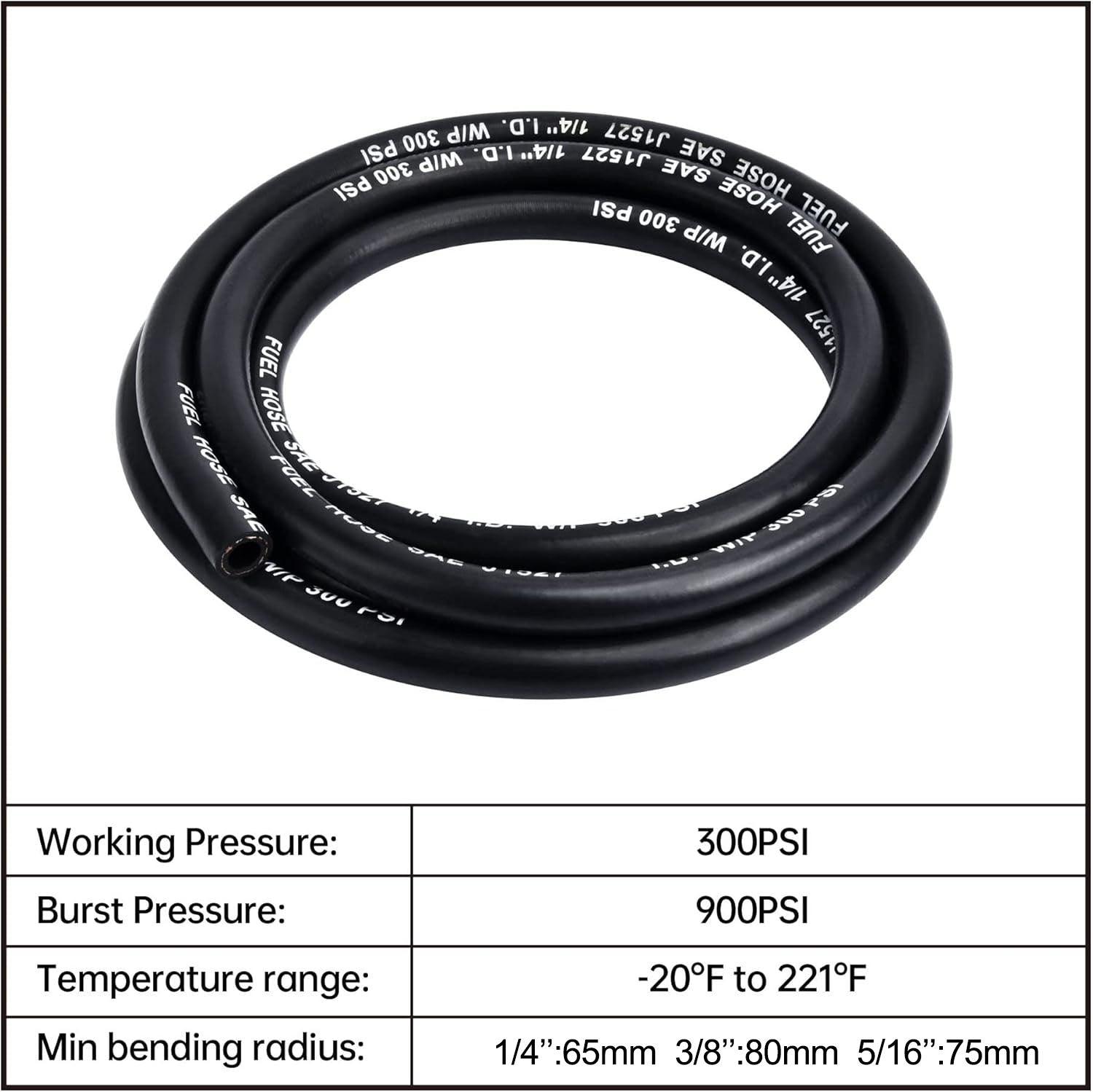
Working Pressure 300 PSI
Burst Pressure 900 PSI
Temperature Range -20°F to 221°F (-30°C to 105°C)
Compatibility Gasoline, diesel and E8 ethanol blends

Compliance
SAE J1527 Type A1-15, ISO 7840 Type A1, USCG Type A1-15 (pleasure boats), US EPA and CARB very low permeation, NMMA/CE type accepted

About Evil Energy SAE J1527 Type A1-15 Marine Fuel Hose

EVIL ENERGY 10FT marine fuel line hose, SAE J1527 Type A1-15, black rubber

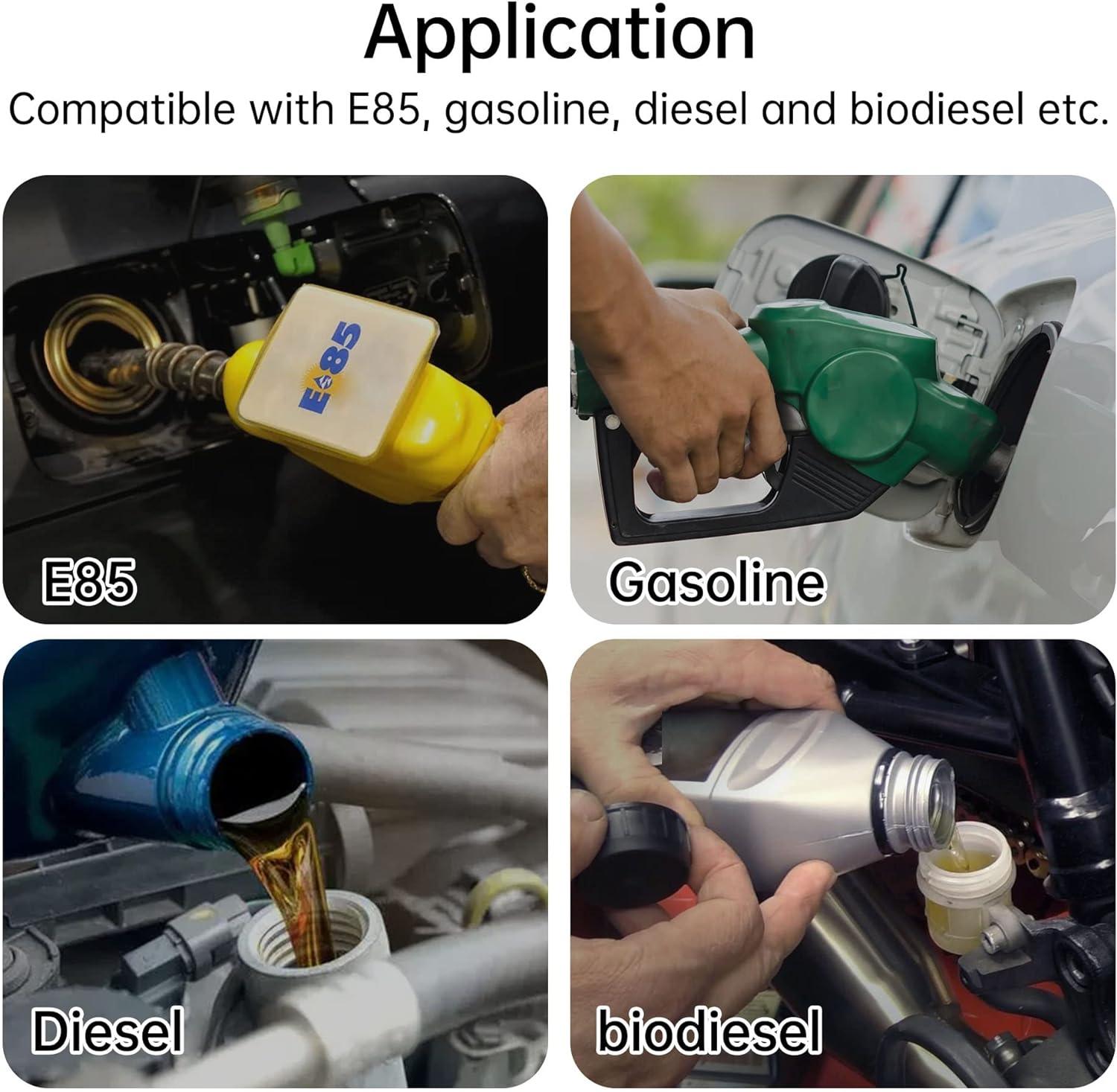
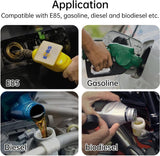
Applications: Compatible with gasoline, diesel and E85. Widely used for supplying fuel to boat and marine engines.

Features:

  • Meets US EPA and CARB very low permeation requirements; weather and UV resistant.
  • Meets USCG Type A1-15 requirements for pleasure boats.
  • Meets SAE J1527 Type A1-15, ISO 7840 Type A1, and NMMA/CE type-accepted standards.

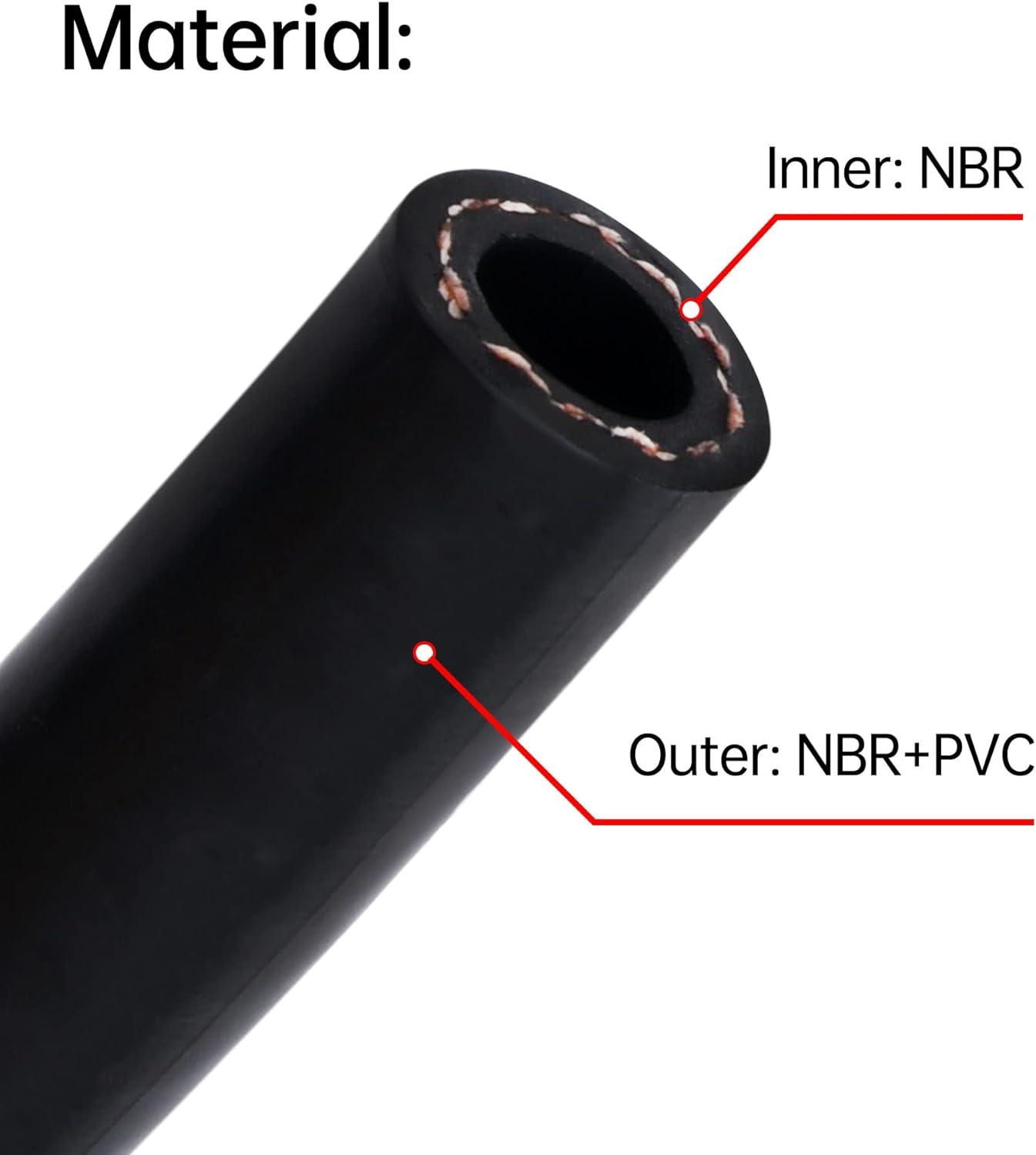
How Is This Marine Fuel Hose Built?

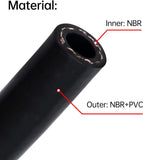
The hose is built in three layers, from the inside out. The inner tube is made of nitrile rubber (NBR), which is compatible with many types of fuel and helps prevent fuel odor from penetrating the hose. The middle layer is a braided fiber reinforcement that increases pressure capacity and helps the hose keep its shape. The outer cover is an NBR and PVC compound that resists oil, ozone and abrasion, making it well suited to long-term use on boats and in other outdoor environments. Marine rubber fuel hose layer construction with NBR inner tube and fabric reinforcement

Features of EVIL ENERGY Marine Fuel Hose

The outer cover is UV and weather resistant, making the hose well suited to exposed installations such as under the deck, near the outboard motor, or in any fuel line exposed to sunlight, rain and moisture. Over long-term outdoor use, a UV and weather resistant cover helps slow aging and keeps the hose flexible and in good condition.

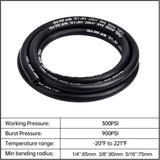
Marine fuel hose size and specification chart for 1/4, 5/16 and 3/8 inch

Application of EVIL ENERGY Marine Fuel Hose 10FT, SAE J1527 Type A1-15

The Marine Fuel Hose is widely used for supplying fuel to motors in boats and other marine applications. Inside the engine compartment, the hose end slips over the fitting and is secured with a clamp. Three inner diameters are offered, so the Marine Fuel Hose can match the fuel line size already on the boat.

EVIL ENERGY marine fuel hose for boat engine fuel supply, USCG Type A1-15

  • 1/4 in ID Marine Fuel Line: Suited to short fuel lines on smaller outboards, such as the run from the fuel pump or filter to the carburetor on older and low-horsepower engines.
  • 5/16 in ID Marine Fuel Line: A common size for the line from the fuel filter or water separator to the engine on small and mid-size outboards, and for general replacement of aged fuel lines.
  • 3/8 in ID Marine Fuel Line: Suited to the longer run from the fuel tank to the filter, primer bulb and engine on larger outboards and inboard engines, where higher fuel flow is needed.

Check the size marked on the existing hose, and match the primer bulb, fittings and clamps to the same inner diameter before ordering. For longer runs, see the EVIL ENERGY Marine Fuel Hose 25FT.

Shop EVIL ENERGY SAE 30R7 fuel line hose collection

Brand Summary

Policy Details
Cancellation Policy Orders can be canceled within 48 hours of placement. Refund processed in 3-5 business days.
Returns Policy Returns accepted within 180 days. Full refund within 90 days; 15% fee for 90-180 days.
Non-Returnable Items Only regular-priced items are eligible for refunds; sale items are non-refundable.
Refund Processing If no refund received, check your bank/credit card. For ongoing issues, contact support@ievilenergy.com.

Return Reasons

  1. Quality Issues: Provide photos/videos; we cover return shipping.
  2. Wrong Item Ordered: Buyer covers return shipping; email within 30 days.
  3. Change of Mind: Buyer covers return shipping; email within 30 days.
  4. Shipping Damage: Inspect packages; do not sign for damaged items.
  5. Incorrect Item Shipped: Contact within 7 days.

Price Protection Policy

Effective from August 25, 2024. Price drops within 7 days of purchase can be claimed.

Disclaimer

EVIL ENERGY reserves the right to interpret, modify, or terminate this policy in accordance with applicable laws and regulations.

If you need further information or assistance, feel free to ask!

Q: What boats and locations is the EVIL ENERGY Marine Fuel Hose 10FT suited for?

A: This is a fuel feed hose, used for the fuel line between the tank and the engine. Common uses include a portable tank to an outboard, a tank to a fuel/water separator, a filter to the engine, and gasoline feed lines inside the engine compartment (the A1-15 rating meets the requirements for gasoline lines in the engine compartment).

On length, a standard fuel line assembly is usually 6 feet, so 10 feet is the safer choice when the tank is far from the engine. Measure the actual routing path, then add allowance for turns and trimming.

Q: How do I choose between the 1/4", 5/16" and 3/8" inner diameters of the EVIL ENERGY Marine Fuel Hose 10FT?

A: First check the size printed on the original hose. If nothing is printed, measure the outer diameter of the fitting barb and match the hose inner diameter to it. The three sizes are: 1/4" with 6mm ID, 13mm OD and a 65mm minimum bend radius; 5/16" with 8mm ID, 15mm OD and a 75mm minimum bend radius; and 3/8" with 9.5mm ID, 17mm OD and an 80mm minimum bend radius.

A common industry rule of thumb is 5/16" for smaller outboards, and 3/8" for outboards over 90 HP or higher-demand engines. 1/4" is more often seen on short fuel runs on older or low-horsepower engines. This is only a guide, and the engine manual takes priority. Primer bulbs, quick-connect fittings and clamps are all matched to the inner diameter, so keep sizes consistent when replacing a hose. A larger hose will not increase flow if the fitting bore itself is small.

Q: What does SAE J1527 Type A1-15 on this EVIL ENERGY Marine Fuel Hose mean?

A: The rating has three parts.

  • “A” is the fire rating, meaning the hose must pass a 2.5-minute open flame test.
  • “1” is the low-permeation class, used for feed hoses that hold fuel at all times.
  • “15” is the permeation limit of 15 g/m²/24 hours, far lower than the older A1 limit of 100 g/m²/24 hours, and in line with EPA low-permeation requirements.

ISO 7840 is the international standard that corresponds to SAE J1527, and USCG Type A1-15 is the matching U.S. Coast Guard type.

This hose is also marked EPA/CARB low permeation and NMMA/CE type accepted. When the hose arrives, check that the J1527 and A1-15 markings are printed along the hose at regular intervals.

Q: Can the EVIL ENERGY Marine Fuel Hose 10FT be used with ethanol-blended fuel and diesel?

A: Yes. The EVIL ENERGY Marine Fuel Hose 10FT is compatible with gasoline, diesel and ethanol-blended fuel. Ethanol fuel is a major reason to replace old hose:

E10 ethanol can attack the inner wall of aged hose, and the debris it dislodges can clog multi-stage filters. It can also degrade seals that are not ethanol-resistant.

If the old hose, primer bulb or fittings on your boat are older products that are not ethanol-resistant, check and replace them at the same time.

Q: Can the EVIL ENERGY Marine Fuel Hose 10FT be used as a fill hose or vent hose?

A: Not recommended. The largest inner diameter of this hose is only 3/8", which is a feed hose size. The fill hose from the deck fill to the tank needs to be an A2 fill hose, commonly 1-1/2 inch (38mm) ID, and vent hose is commonly 5/8 inch (16mm). The fitting sizes for both also differ from this hose, so buy a dedicated hose that matches the inner diameter of your deck fill and tank connection.

Q: Can the EVIL ENERGY Marine Fuel Hose 10FT be submerged inside the fuel tank?

A: Not recommended. This hose is classified by permeation and fire resistance, and it is not a submersible-rated hose, so it is not intended for long-term immersion inside the tank. If the entire hose will sit inside the tank, submerged in fuel, choose a hose clearly rated as submersible, such as the SAE 30R10 Submersible Fuel Hose.

Q: How is the EVIL ENERGY Marine Fuel Hose 10FT constructed, and what are its pressure and temperature ratings?

A: The hose has three layers. The inner tube is nitrile rubber (NBR), which is compatible with many fuels and helps prevent fuel odor from penetrating the hose. The middle layer is a braided fiber reinforcement that increases pressure capacity. The outer cover is an NBR and PVC compound that resists oil, ozone and abrasion, and is also UV and weather resistant. The working pressure is 300 PSI, the burst pressure is 900 PSI, and the temperature range is -20°F to 221°F (-30°C to 105°C). Because the outer cover is weather resistant, the hose also suits more exposed routing, such as under the deck or near the outboard motor.

Q: How should I handle the clamps and fittings when installing the 10FT EVIL ENERGY Marine Fuel Hose ?

A: Follow five steps:

  1. Cut the hose square with a sharp blade, so a flat end seats fully over the fitting.
  2. Push the hose to the bottom of the fitting until you feel the barbs grip the inner wall.
  3. Use a corrosion-resistant metal clamp, preferably stainless steel, placed behind the barb ridge. Tighten it snug, without crushing the hose.
  4. Make sure the outer diameter of the fitting barb matches the hose inner diameter, since too large a difference affects the seal.
  5. Pressurize the system after installation and check each joint for seepage.

A single clamp is compliant on fuel feed lines, while fill lines require double clamps, and the industry also recommends double clamps on feed lines. Route the hose away from hot parts such as the exhaust and from sharp edges, add chafe protection where rubbing is possible, and keep bends no tighter than the minimum bend radius. Before starting work, disconnect the battery, ventilate the area and keep it away from open flame.

Q: How do I tell when this 10FT EVIL ENERGY Marine Fuel Hose or an old fuel hose needs replacing?

A: There is no fixed lifespan. A common reference is 5 to 10 years, closer to 5 years with long-term sun exposure or ethanol-blended fuel. Inspect the hose every season, and replace it if you see any of the following: hose that is hard, cracked or brittle; visible leaks at a fitting or primer bulb; a primer bulb that does not stay firm when squeezed or recovers slowly; hard starting that continues after the bulb is replaced; or a gasoline smell in the bilge or under the engine cover. When replacing a hose, it is best to check the primer bulb, clamps and fittings too, and replace them all at once.

Q: How is the EVIL ENERGY Marine Fuel Hose different from automotive fuel hose?

A: The differences are mainly permeation, fire resistance and operating environment. Marine fuel hose must meet SAE J1527 or ISO 7840, with a focus on low permeation and fire resistance, and Type A hose must pass a 2.5-minute open flame test. Fuel vapor can collect in an enclosed bilge, so marine hose has stricter permeation control requirements. Hose on a boat also faces damp, vibration and oily conditions that automotive fuel hose usually does not. Automotive fuel hose should not be used in place of marine-certified hose where marine certification is required.

No Amazon reviews available for this product.

RELATED PRODUCTS

RECENTLY VIEWED PRODUCTS