


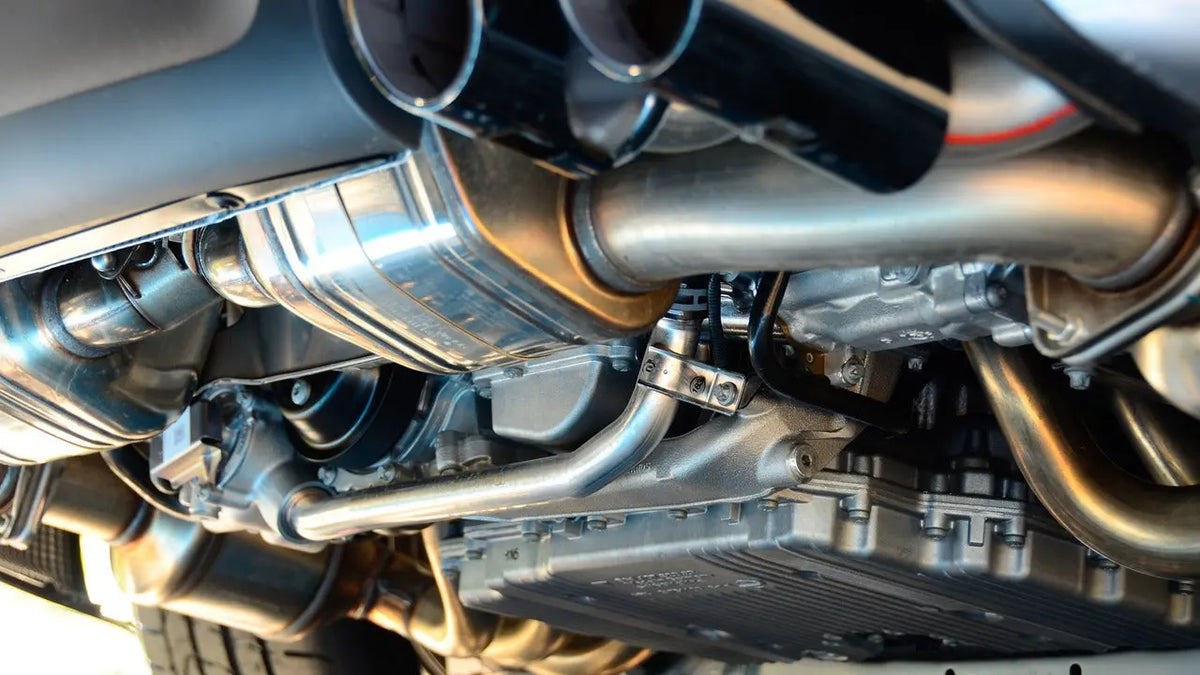
Introduction: When it comes to automotive performance and noise control, two terms often come up: exhaust mufflers and exhaust systems. While these terms are frequently used interchangeably, they actually refer to distinct components that play different roles in your vehicle’s exhaust process. Understanding the difference between them is essential for anyone looking to optimize their car's exhaust performance, reduce noise, or simply make informed decisions when replacing or upgrading parts.
This article will explore the key differences between exhaust mufflers and exhaust systems, their individual components, and how they impact your vehicle’s performance and sound. By the end of this guide, you’ll have a clearer understanding of these components and how to maintain or modify them for optimal efficiency.
What is an Exhaust Muffler?
An exhaust muffler is a key component of your vehicle’s exhaust system designed to reduce the noise produced by the engine. It works by dissipating sound waves created by the engine’s exhaust gases through internal chambers and perforated tubes. The result is a quieter ride and a more pleasant driving experience.
Key Functions of an Exhaust Muffler:
-
Noise Reduction: The primary purpose of the muffler is to minimize engine noise. As exhaust gases exit the engine, they pass through the muffler, where sound is absorbed and deflected by internal baffling and perforated tubes.
-
Sound Quality Adjustment: Mufflers also affect the quality of sound, which is why some car enthusiasts replace stock mufflers with performance mufflers to alter the tone of the exhaust note. These performance mufflers can create a louder or deeper sound, depending on the design.
-
Flow Regulation: Although mufflers are primarily for noise control, they can also impact exhaust flow. Some mufflers are designed to minimize backpressure, while others may restrict flow to achieve a specific sound.
Common Types of Mufflers:

-
Chambered Mufflers: These contain internal chambers that direct exhaust gases through a series of twists and turns to cancel out sound waves.
-
Turbo Mufflers: These are designed to enhance exhaust flow while still reducing noise. They use a series of perforated tubes or spiral baffles to reduce sound.
-
Straight-Through Mufflers: As the name suggests, these mufflers have a straight-through design with minimal restriction. They are commonly used in performance vehicles to reduce backpressure.
What is an Exhaust System?
An exhaust system refers to the entire network of components that direct exhaust gases from the engine out of the vehicle. It includes a wide range of parts, each with a specific function to ensure that the engine operates efficiently while minimizing harmful emissions. The exhaust system works in conjunction with the muffler to reduce noise, but it is also involved in managing exhaust gases, controlling emissions, and improving overall engine performance.
Key Components of an Exhaust System:
-
Exhaust Manifold: This is the first part of the exhaust system, where exhaust gases from the engine cylinders exit. It collects the exhaust gases and directs them into the rest of the system.
-
Catalytic Converter: This component plays a crucial role in reducing harmful emissions by converting toxic gases such as carbon monoxide, hydrocarbons, and nitrogen oxides into less harmful substances like carbon dioxide and water.
-
Resonator: A resonator works similarly to a muffler but with the purpose of eliminating certain frequencies of sound. It often works alongside the muffler to further reduce noise.
-
Exhaust Pipes: These pipes direct the exhaust gases through the system and out of the vehicle. They come in different diameters, which can affect the performance and sound of the vehicle.
-
Exhaust Tip: The exhaust tip is the visible part of the exhaust system that directs exhaust gases out of the vehicle. While it may not affect performance, it plays a role in the sound and appearance of the exhaust system.
Key Functions of an Exhaust System:
-
Emission Control: One of the primary roles of the exhaust system is to manage the emissions produced by the engine. This includes removing harmful gases and converting them into less harmful substances.
-
Exhaust Flow Management: The system ensures that exhaust gases flow efficiently from the engine to the tailpipe. A poorly designed or damaged exhaust system can lead to inefficient engine performance and reduced fuel efficiency.
-
Noise Control: While the muffler handles noise reduction, the entire exhaust system helps manage the noise level produced by the engine. Components like the resonator and the shape of the exhaust pipes can further modify the sound.
Key Differences Between Exhaust Mufflers and Exhaust Systems
Now that we’ve explored what each component does, let’s break down the key differences between exhaust mufflers and exhaust systems:
1. Scope of Functionality:
-
Exhaust Muffler: Focuses primarily on reducing noise by dissipating sound waves and adjusting the tone of the exhaust.
-
Exhaust System: Encompasses a broader range of functions, including managing exhaust flow, controlling emissions, and ensuring the engine’s overall performance.
2. Components:
-
Exhaust Muffler: The muffler is a single component within the exhaust system, designed solely to manage noise.
-
Exhaust System: The exhaust system includes multiple components (exhaust manifold, catalytic converter, resonator, exhaust pipes, and muffler), all working together to process exhaust gases and maintain engine efficiency.
3. Impact on Performance:
-
Exhaust Muffler: While mufflers primarily focus on noise reduction, their design can also influence engine performance by affecting exhaust flow and backpressure.
-
Exhaust System: A well-designed exhaust system enhances engine performance by improving exhaust flow, reducing backpressure, and ensuring the proper emission of gases.
4. Role in Emission Control:
-
Exhaust Muffler: Does not play a significant role in emission control but may assist in controlling sound frequency.
-
Exhaust System: Plays a critical role in controlling emissions, especially with the inclusion of the catalytic converter, which reduces toxic gases.
How to Choose Between Mufflers and Exhaust Systems?
When considering replacing or upgrading either component, it’s important to assess your needs:
-
If noise reduction is your primary concern, upgrading the muffler might be your best option. Performance mufflers can give you better sound control while maintaining or even improving engine performance.
-
If you're looking to improve overall vehicle performance and efficiency, you may need to consider upgrading the entire exhaust system. A high-performance exhaust system can provide better exhaust flow, increased horsepower, and improved fuel efficiency, in addition to reducing emissions.
Conclusion
In summary, while exhaust mufflers and exhaust systems are both essential to your vehicle’s performance, they serve different purposes. The muffler is primarily responsible for reducing noise, while the exhaust system manages exhaust gases, controls emissions, and ensures optimal engine performance. Understanding the differences between the two will help you make informed decisions when it comes to upgrading or maintaining your vehicle’s exhaust components.
Whether you’re aiming to reduce noise, improve your vehicle’s efficiency, or enhance its sound, it’s important to consider both components and how they work together to improve your vehicle’s overall functionality.


