


Subscribe now to get a gift with your first order!


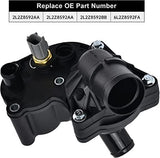


EVIL ENERGY Thermostat Housing Kit 2L2Z-8592-AA for Ford Explorer 4.0L V6
- $22.99
- $22.99
- Unit price
- per
SKU:
EVKT04371BK-AMZ1
Product Type:
Thermostat Housing Kits

| Brand | EVIL ENERGY |
|---|---|
| OE Replacement Part Numbers | 2L2Z8592AA, 2L2Z8592BA, 2L2Z8592BB, 6L2Z8592FA |
| Compatible Vehicles |
|
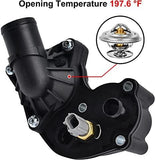
| Thermostat Opening Temperature | 197.6 °F / 92℃ |
| Housing Material | High‑strength engineering plastic |
| Backlight | No |
| Function | Regulate engine coolant flow, maintain optimal engine operating temperature, reduce engine wear and emissions |
| Kit Includes |
|
Why Replace Your Thermostat Housing Assembly
For owners of 2002‑2010 Ford Explorer, Explorer Sport Trac and Mercury Mountaineer with the 4.0L V6 engine, the factory thermostat housing is a known failure‑prone cooling‑system part. Cracked plastic housings often trigger coolant leaks, fluctuating temperature readings and dangerous engine‑overheating risks. Our EVIL ENERGY thermostat housing kit serves as a direct‑fit OE replacement, stabilizing coolant flow, maintaining your engine’s ideal operating temperature and helping you avoid expensive engine damage caused by cooling‑system breakdowns.
Core Benefits & Function
- Engine temperature regulation: Controls coolant circulation to and from the radiator, bringing your 4.0L V6 engine up to its optimal working temperature quickly after cold‑start.
- Long‑term engine protection: Reduces unnecessary engine wear, carbon‑deposit buildup and exhaust emissions with consistent thermal management.
- Complete pre‑assembled unit: Comes with built‑in 197.6°F (92°C) thermostat, temperature sensor and sealing gasket for one‑step installation.

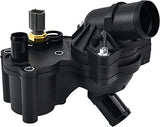
Close‑up shot of the integrated coolant temperature sensor, built‑in on the housing for accurate real‑time engine temperature feedback to your vehicle’s ECU.
Guaranteed Fitment: Compatible Vehicles & OEM Cross-Reference
Compatible Vehicles
- 2002-2010 Ford Explorer — V6 4.0L
- 2002-2003 Ford Explorer Sport — V6 4.0L
- 2007-2010 Ford Explorer Sport Trac — V6 4.0L
- 2002-2010 Mercury Mountaineer — V6 4.0L
Always confirm fitment against your vehicle's build sheet or existing part number before ordering — engine and trim variations can affect compatibility even within the same model year.
OEM & Cross-Reference Part Numbers
- 2L2Z8592AA
- 2L2Z8592BA
- 2L2Z8592BB
- 6L2Z8592FA

How to Install EVIL ENERGY Thermostat Housing Kit 2L2Z-8592-AA for Ford Explorer 4.0L V6

Mounting‑hole layout matches the original factory bolt pattern, enabling bolt‑on direct‑fit installation without drilling or modification.
Explore More Cooling System Upgrades
- Shop the full Thermostat Housing Kits range for other makes and models
- Browse Cooling System parts: reservoirs, radiators, and fans
- Upgrade cooling capacity with our performance aluminum radiators
- Keep coolant topped off with a universal 800ml coolant overflow tank
Brand Summary
| Policy | Details |
|---|---|
| Cancellation Policy | Orders can be canceled within 48 hours of placement. Refund processed in 3-5 business days. |
| Returns Policy | Returns accepted within 180 days. Full refund within 90 days; 15% fee for 90-180 days. |
| Non-Returnable Items | Only regular-priced items are eligible for refunds; sale items are non-refundable. |
| Refund Processing | If no refund received, check your bank/credit card. For ongoing issues, contact support@ievilenergy.com. |
Return Reasons
- Quality Issues: Provide photos/videos; we cover return shipping.
- Wrong Item Ordered: Buyer covers return shipping; email within 30 days.
- Change of Mind: Buyer covers return shipping; email within 30 days.
- Shipping Damage: Inspect packages; do not sign for damaged items.
- Incorrect Item Shipped: Contact within 7 days.
Price Protection Policy
Effective from August 25, 2024. Price drops within 7 days of purchase can be claimed.
Disclaimer
EVIL ENERGY reserves the right to interpret, modify, or terminate this policy in accordance with applicable laws and regulations.
If you need further information or assistance, feel free to ask!
RELATED PRODUCTS
Example product title
- $22.99
- $22.99
- Unit price
- per
Example product title
- $22.99
- $22.99
- Unit price
- per
Example product title
- $22.99
- $22.99
- Unit price
- per
Example product title
- $22.99
- $22.99
- Unit price
- per
Example product title
- $22.99
- $22.99
- Unit price
- per
Example product title
- $22.99
- $22.99
- Unit price
- per
RECENTLY VIEWED PRODUCTS
- Choosing a selection results in a full page refresh.