


Subscribe now to get a gift with your first order!
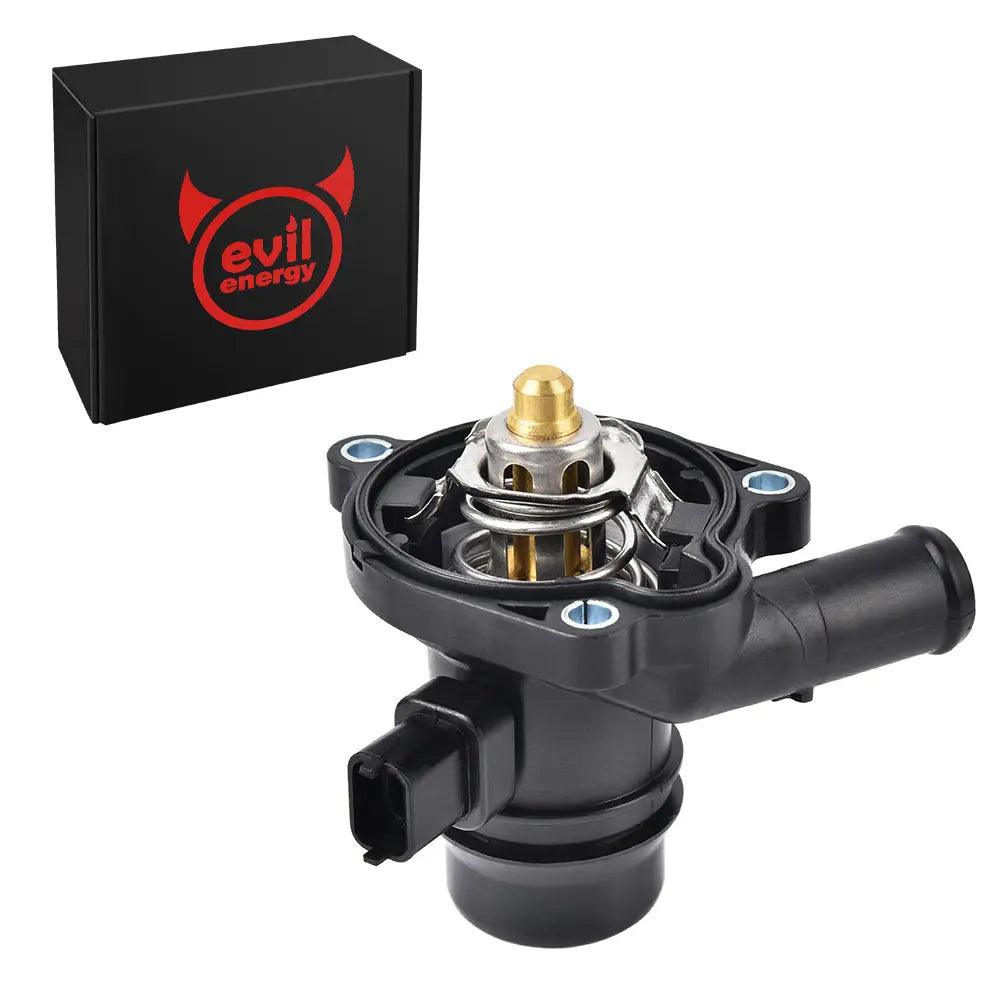
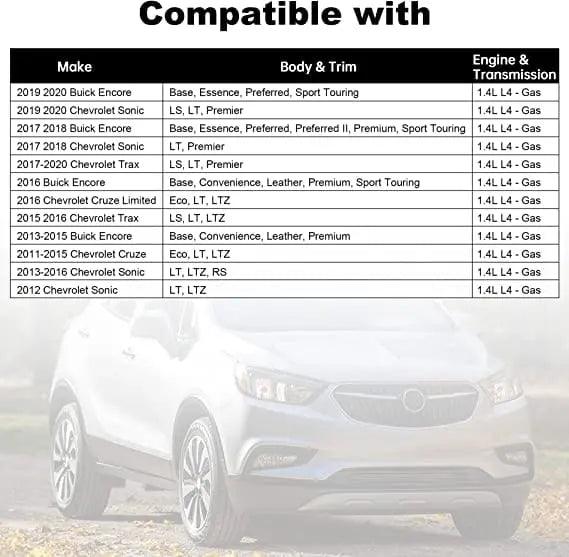
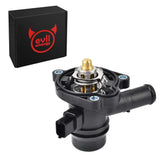
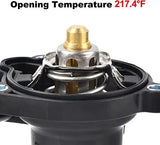
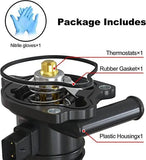
EVIL ENERGY Thermostat Housing Assembly 55565336 902-808 Compatible with 2013-2020 Buick Encore 2011-2016 Chevrolet Cruze
- $21.99
- $21.99
- Unit price
- per
SKU:
EVKT04037-AMZ1
Product Type:
Thermostat Housing Kits

| Brand | EVIL ENERGY |
|---|---|
| SKU | EVKT04037‑AMZ1 |
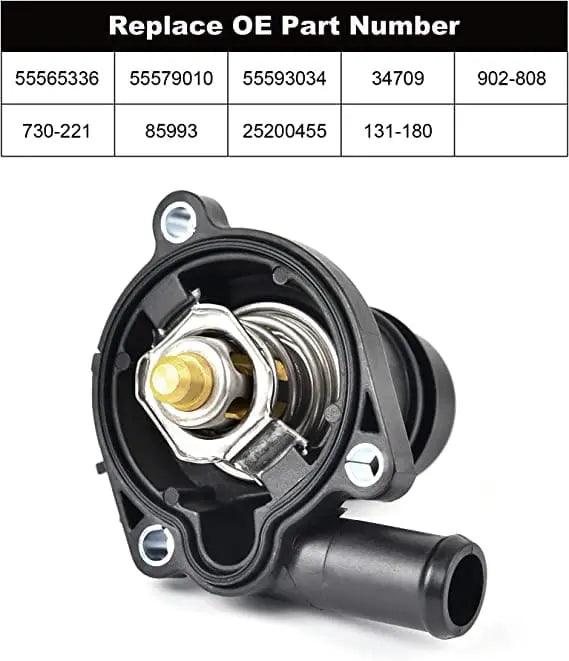
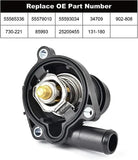
| OE Replacement Part Numbers | 55565336, 55579010, 55593034, 34709, 902‑808, 730‑221, 85993, 25200455, 131‑180 |
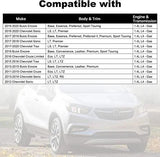
| Compatible Vehicles |
|
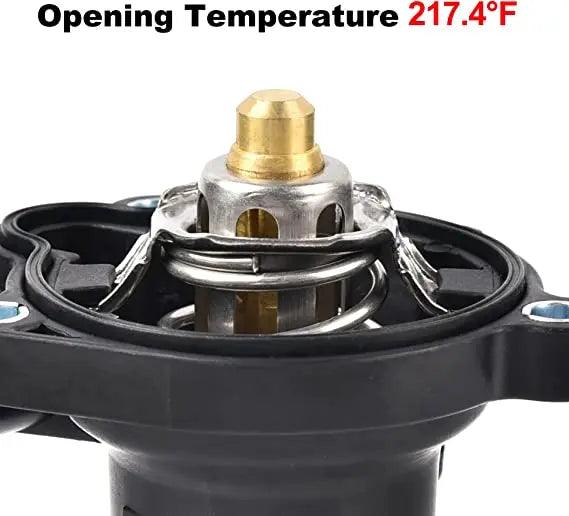
| Thermostat Opening Temperature | 217.4°F / 103℃ |
| Housing Material | High‑strength engineering plastic housing; Copper thermostat valve; Metal spring disc; Built‑in coolant temperature sensor |
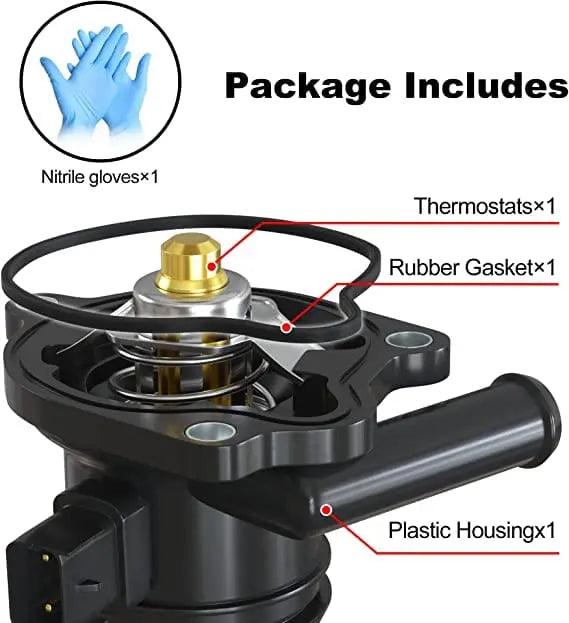
| Kit Includes |
|
| Function | Controls coolant flow to radiator, brings engine up to optimal operating temperature; reduces engine wear, carbon deposits and exhaust emissions |
GM 1.4L Electronic Thermostat Housing
This complete thermostat housing combines the thermostat valve, return spring, coolant passages, and electrical connection in one assembly. It is designed for selected GM 1.4L applications experiencing thermostat-control faults, coolant leakage around the housing, slow engine warm-up, or inconsistent operating temperatures.

Connector and Cross-Reference Identification
Correct fitment depends on more than the vehicle year. Compare the two-pin electrical connector, coolant-port arrangement, mounting holes, and original housing shape before installation. Cross-reference numbers such as 55565336, 55579010, and 902-808 can help narrow the selection, but the original part number should be verified whenever possible.

Encore, Cruze, Sonic, and Trax Applications
The assembly covers selected Buick Encore, Chevrolet Cruze, Sonic, and Trax 1.4L models. Extra attention is required for 2016 Chevrolet Cruze applications because the Cruze Limited and the redesigned Cruze may use different cooling-system components.

Other related components can be found in the engine cooling system collection.
Leak-Free Installation and Coolant Refill
Install the assembly only after the engine has cooled and system pressure has been released. Disconnect the electrical plug and coolant hoses carefully, clean the sealing surface, and make sure the new seal remains flat during installation. Once the system has been refilled and bled, inspect the housing, hose connections, and coolant reservoir for signs of continued leakage.

Brand Summary
| Policy | Details |
|---|---|
| Cancellation Policy | Orders can be canceled within 48 hours of placement. Refund processed in 3-5 business days. |
| Returns Policy | Returns accepted within 180 days. Full refund within 90 days; 15% fee for 90-180 days. |
| Non-Returnable Items | Only regular-priced items are eligible for refunds; sale items are non-refundable. |
| Refund Processing | If no refund received, check your bank/credit card. For ongoing issues, contact support@ievilenergy.com. |
Return Reasons
- Quality Issues: Provide photos/videos; we cover return shipping.
- Wrong Item Ordered: Buyer covers return shipping; email within 30 days.
- Change of Mind: Buyer covers return shipping; email within 30 days.
- Shipping Damage: Inspect packages; do not sign for damaged items.
- Incorrect Item Shipped: Contact within 7 days.
Price Protection Policy
Effective from August 25, 2024. Price drops within 7 days of purchase can be claimed.
Disclaimer
EVIL ENERGY reserves the right to interpret, modify, or terminate this policy in accordance with applicable laws and regulations.
If you need further information or assistance, feel free to ask!
RELATED PRODUCTS
Example product title
- $21.99
- $21.99
- Unit price
- per
Example product title
- $21.99
- $21.99
- Unit price
- per
Example product title
- $21.99
- $21.99
- Unit price
- per
Example product title
- $21.99
- $21.99
- Unit price
- per
Example product title
- $21.99
- $21.99
- Unit price
- per
Example product title
- $21.99
- $21.99
- Unit price
- per
RECENTLY VIEWED PRODUCTS
- Choosing a selection results in a full page refresh.