


Subscribe now to unlock $9.99 deals
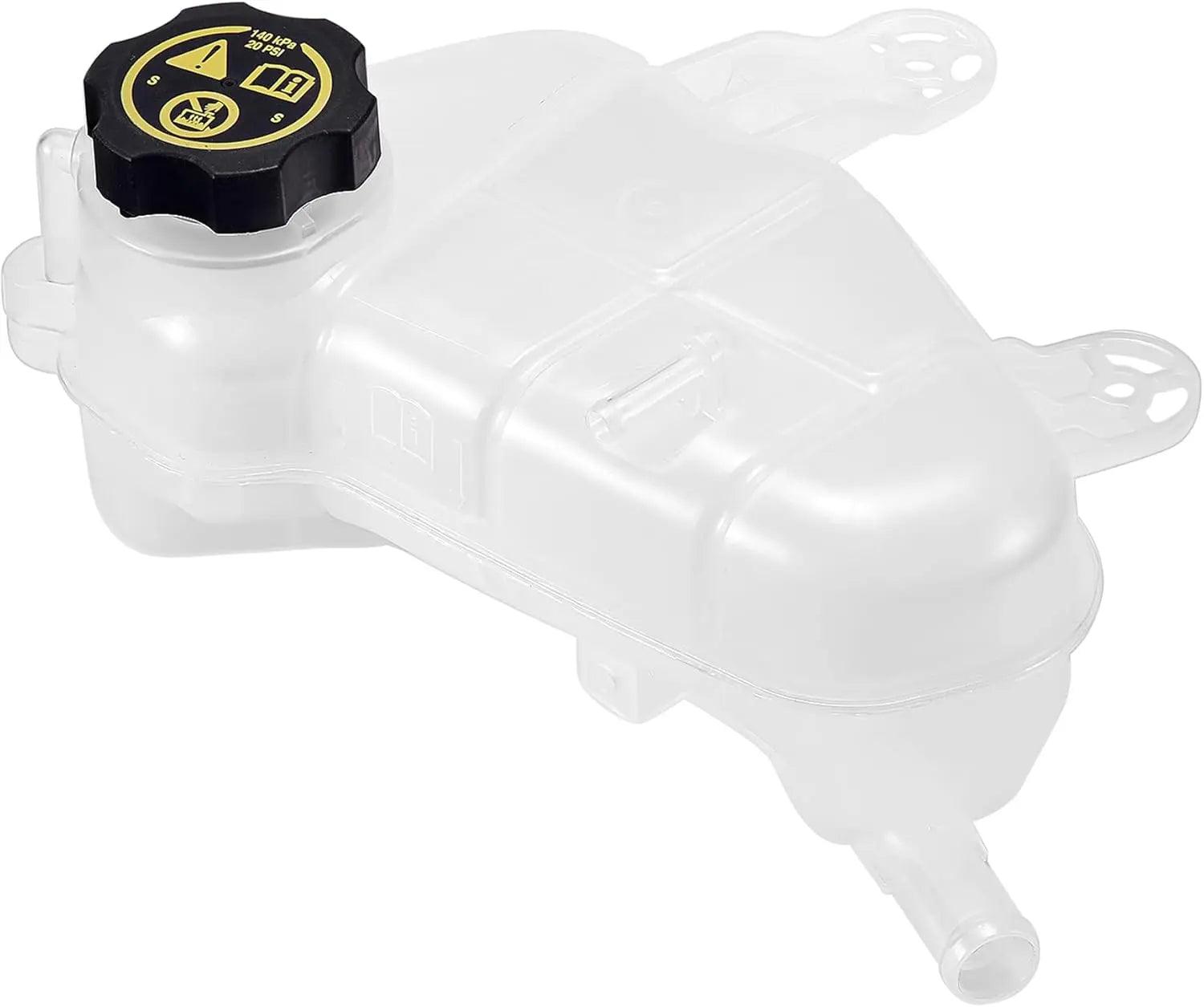


EVIL ENERGY Coolant Reservoir Tank with Cap Compatible with 2012-2019 Chevy Sonic Replacement for 95048411 603-386
- $27.69
- $27.69
$27.69- Unit price
- per
SKU:
EVKT01789WT-AMZ1
Product Type:
Coolant Overflow Tank


| Brand | EVIL ENERGY |
| OE Replacement / Cross-Reference Numbers | 95048411, 42609220, GM3014167, 603-386 |
| Product Type | Coolant Reservoir Tank |
| Function | Pressurized coolant reservoir that stores hot coolant to help prevent engine overheating |
| Product Grade | Replacement Part |
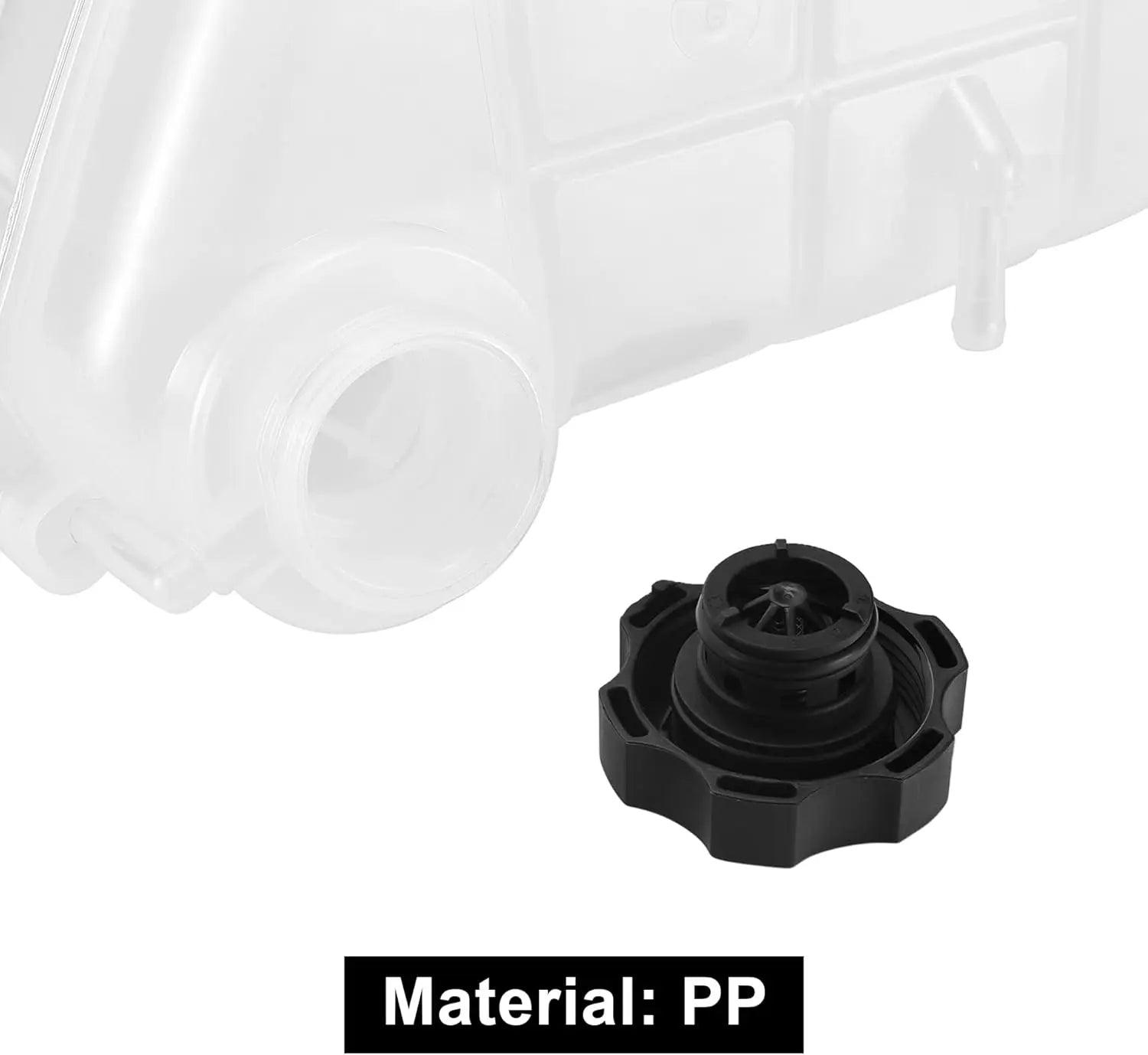
| Material | Plastic Coolant Reservoir Tank |
| Pressure Cap | 1 × pressure cap included; maximum pressure rating: 20 PSI (approximately 138 kPa) |
| Fitment Type | Vehicle-specific direct replacement |
| Compatible Vehicles |
Coolant Reservoir Tank for Chevrolet Sonic • 2012–2019 Chevrolet Sonic — 1.4L (1,364 cc / 83 cu in), I4 gasoline, DOHC, turbocharged • 2016 Chevrolet Sonic — 1.6L (1,588 cc / 98 cu in), I4 gasoline, DOHC, naturally aspirated • 2013–2017 Chevrolet Sonic — 1.6L (1,598 cc / 98 cu in), I4 gasoline, DOHC, naturally aspirated • 2012–2018 Chevrolet Sonic — 1.8L (1,796 cc / 110 cu in), I4 flex-fuel, DOHC, naturally aspirated • 2013–2018 Chevrolet Sonic — 1.8L (1,796 cc / 110 cu in), I4 gasoline, DOHC, naturally aspirated |
| Package Includes | • 1 × Coolant Reservoir Tank • 1 × Pressure Cap |

2012–2019 Chevy Sonic Coolant Reservoir Tank: Direct Replacement for 95048411
The coolant reservoir on a Chevrolet Sonic is a pressurized surge tank. It sits under the hood, holds hot coolant as it expands, and feeds it back to the engine as the system cools. After years of heat cycling, the factory plastic tank can develop hairline cracks, often along the bottom seam. Common signs are a sweet coolant smell, a wet or crusty residue around the tank, and a coolant level that keeps dropping. This EVIL ENERGY Chevy Sonic coolant reservoir tank replaces OE part numbers 95048411, 42609220, GM3014167 and 603-386. It bolts into the factory location and reconnects to your original hoses, restoring a sealed, pressurized cooling system.
Direct-Fit Pressurized Coolant Reservoir Tank, Ready to Install
This replacement coolant reservoir tank is molded to match the factory Sonic tank: the same mounting tabs, hose outlet position and filler neck. No drilling, cutting or adapters are needed. The translucent plastic body lets you read the coolant level at a glance, so you can check that it sits at the cold-fill mark without opening the cap. It is a cost-effective way to stop a leak at its source, rather than topping off coolant every week.

Coolant Reservoir Tank with Cap – 20 PSI Pressure Cap Included
Each kit includes one coolant reservoir tank and one matching surge cap, rated at 20 PSI (about 138 kPa). The cap holds pressure in the cooling system, which raises the coolant's boiling point. An old cap with a worn seal can let pressure and coolant escape even after the tank is replaced. Installing a new tank and cap together avoids this, and you won't need to order a cap separately. We recommend installing it with professional guidance, or following your service manual for draining, refilling and bleeding air from the system. Only work on a cold engine.

Coolant Reservoir Tank for Chevy Sonic 1.4L Turbo, 1.6L and 1.8L Engines

This coolant reservoir tank fits Chevrolet Sonic sedans and hatchbacks with the following engines:
- 2012–2019 Chevy Sonic 1.4L turbocharged I4
- 2016 Chevy Sonic 1.6L (1,588 cc) I4
- 2013–2017 Chevy Sonic 1.6L (1,598 cc) I4
- 2012–2018 Chevy Sonic 1.8L flex-fuel I4
- 2013–2018 Chevy Sonic 1.8L gasoline I4
The 1.4L turbo Sonic shares its plastic cooling parts with platform mates like the Chevy Cruze and Trax, and owners of these cars often deal with coolant leaks. If your Sonic is losing coolant, inspect the reservoir, the thermostat housing and the water pump.
Not sure about fitment? Compare the part number molded on your old tank with 95048411, or contact us with your VIN before ordering.
Driving a Chevy Cruze? Shop the Cruze coolant reservoir tank instead.

Find Universal Aluminum Coolant Overflow Tanks for Swaps, Track Cars and Custom Builds
Building an LS swap, a hot rod, a drift car or a project with an aftermarket radiator? A universal aluminum coolant overflow tank gives you a clean, durable recovery bottle that won't turn brittle from heat. Choose the compact 800ml aluminum overflow bottle for tight engine bays, or the TIG-welded 1L/2L aluminum overflow tank for larger cooling systems. If you also want to manage crankcase oil vapor, the overflow tank and baffled oil catch can kit combines both in one matching set. Note that these universal tanks are non-pressurized recovery bottles. They are designed for vehicles with a pressure cap on the radiator, and they are not a substitute for the Sonic's pressurized surge tank.
Shop Aluminum Overflow Tanks →Brand Summary
| Policy | Details |
|---|---|
| Cancellation Policy | Orders can be canceled within 48 hours of placement. Refund processed in 3-5 business days. |
| Returns Policy | Returns accepted within 180 days. Full refund within 90 days; 15% fee for 90-180 days. |
| Non-Returnable Items | Only regular-priced items are eligible for refunds; sale items are non-refundable. |
| Refund Processing | If no refund received, check your bank/credit card. For ongoing issues, contact support@ievilenergy.com. |
Return Reasons
- Quality Issues: Provide photos/videos; we cover return shipping.
- Wrong Item Ordered: Buyer covers return shipping; email within 30 days.
- Change of Mind: Buyer covers return shipping; email within 30 days.
- Shipping Damage: Inspect packages; do not sign for damaged items.
- Incorrect Item Shipped: Contact within 7 days.
Price Protection Policy
Effective from August 25, 2024. Price drops within 7 days of purchase can be claimed.
Disclaimer
EVIL ENERGY reserves the right to interpret, modify, or terminate this policy in accordance with applicable laws and regulations.
If you need further information or assistance, feel free to ask!
No Amazon reviews available for this product.
RELATED PRODUCTS
Example product title
- $27.69
- $27.69
$27.69- Unit price
- per
Example product title
- $27.69
- $27.69
$27.69- Unit price
- per
Example product title
- $27.69
- $27.69
$27.69- Unit price
- per
Example product title
- $27.69
- $27.69
$27.69- Unit price
- per
Example product title
- $27.69
- $27.69
$27.69- Unit price
- per
Example product title
- $27.69
- $27.69
$27.69- Unit price
- per
RECENTLY VIEWED PRODUCTS
- Choosing a selection results in a full page refresh.