Close


EVILENERGY | Celebrate the Game, Upgrade Your Build!

Show Your Ride, support Your Team!

Featured Products
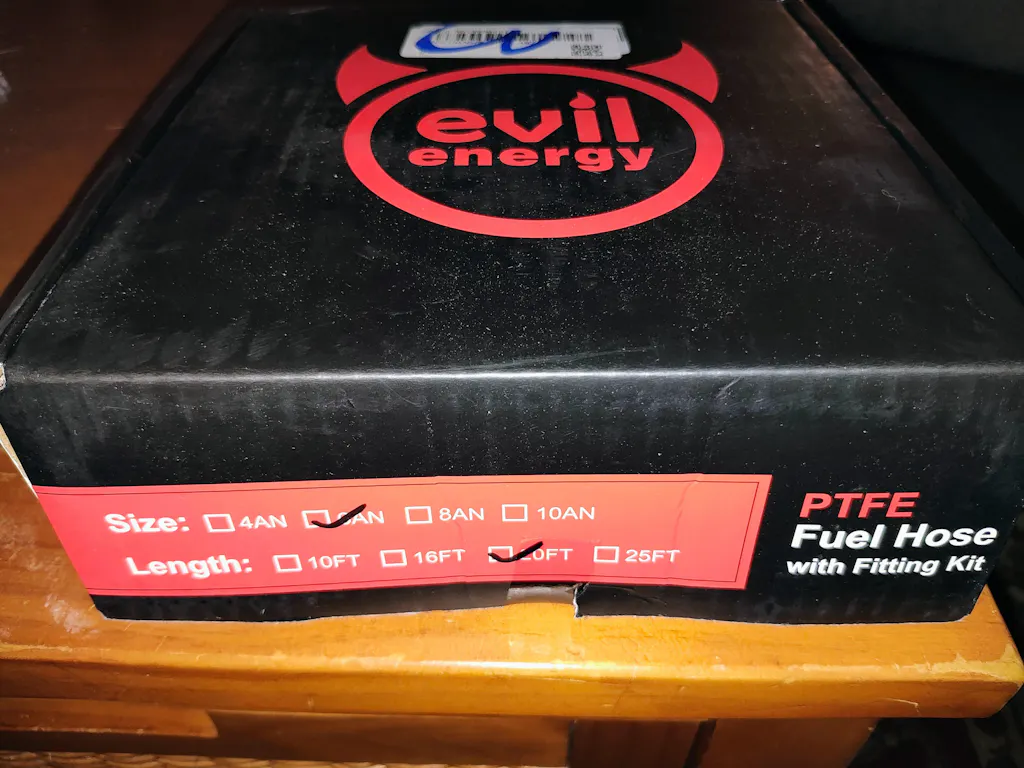
![[20FT] EVIL ENERGY PTFE Fuel Line Kit, complete black hose & fittings set, 180-day return](http://www.ievilenergy.com/cdn/shop/files/Test-2025-Evilenergy-125598065_940x.png?v=1742144807)
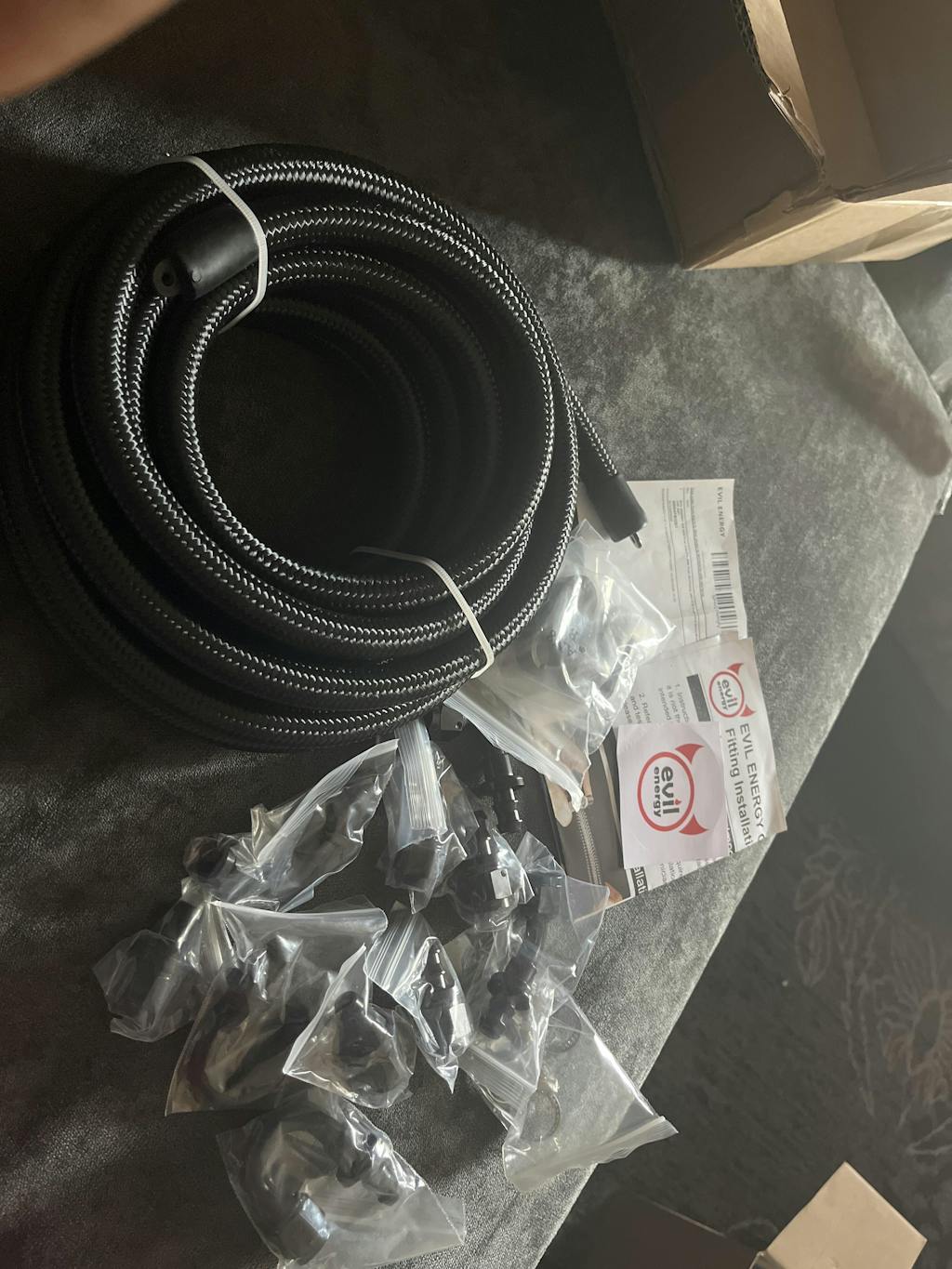
![[16FT] EVIL ENERGY PTFE Fuel Line Kit, black braided hose, fittings, free shipping & return](http://www.ievilenergy.com/cdn/shop/files/Test-2025-Evilenergy-125598171_940x.png?v=1742144807)
EVIL ENERGY 4/6/8/10AN PTFE Fuel Line Kit | E85 Nylon Braided Hose | 16/20FT Black Black with Comprehensive Fittings
- $62.09
- $62.09
$70.99- Unit price
- per
![CPE Fuel Line[25FT]](http://www.ievilenergy.com/cdn/shop/files/25FTCPE_FuelLine_940x.png?v=1735220649)
![CPE Fuel Line[20FT]](http://www.ievilenergy.com/cdn/shop/files/20FTCPE_FuelLine_940x.png?v=1735220649)
EVIL ENERGY 4/6/8/10AN CPE Fuel Line Kit Black Nylon Braided Fuel Hose Fitting Kit 20FT/25FT
- $65.99
- $65.99
$76.89- Unit price
- per




About Author

Amber
Ignition Coil Repair: Complete Guide to Diagnose, Test & Replace
07 May 2026
0 Comments

🎁 A Personal Gift For My Readers
To support your project, I've secured an exclusive 8% OFF for you.
Simply paste the code at checkout.
💡 Use the savings to grab your extra fittings, oil lines, or connectors for free!
Your Promo Code
Blogs8
Tap to copy & save
🛡️ Official Reader Discount
🔧 Save on Fittings/Hoses
🔒 Secure Checkout
Quick Answer
Ignition coil repair transforms your battery's 12 volts into the 20,000–50,000 volts each spark plug needs to ignite the fuel-air mixture in your engine's cylinders.
When to attempt a repair or replacement:
✅ Engine misfire code (P0300-P0308) stored in ECM
✅ Rough idle, hesitation under acceleration, or reduced fuel economy
✅ Car struggles to start, especially when cold
✅ Visible cracks, carbon tracking, or oil contamination on coil body
When to see a professional mechanic:
⚠️ Multiple coils failing simultaneously (underlying issue suspected)
⚠️ No spark after replacing coils (check PCM/ECM or crank sensor)
⚠️ Repeated coil failure within short mileage intervals
Introduction
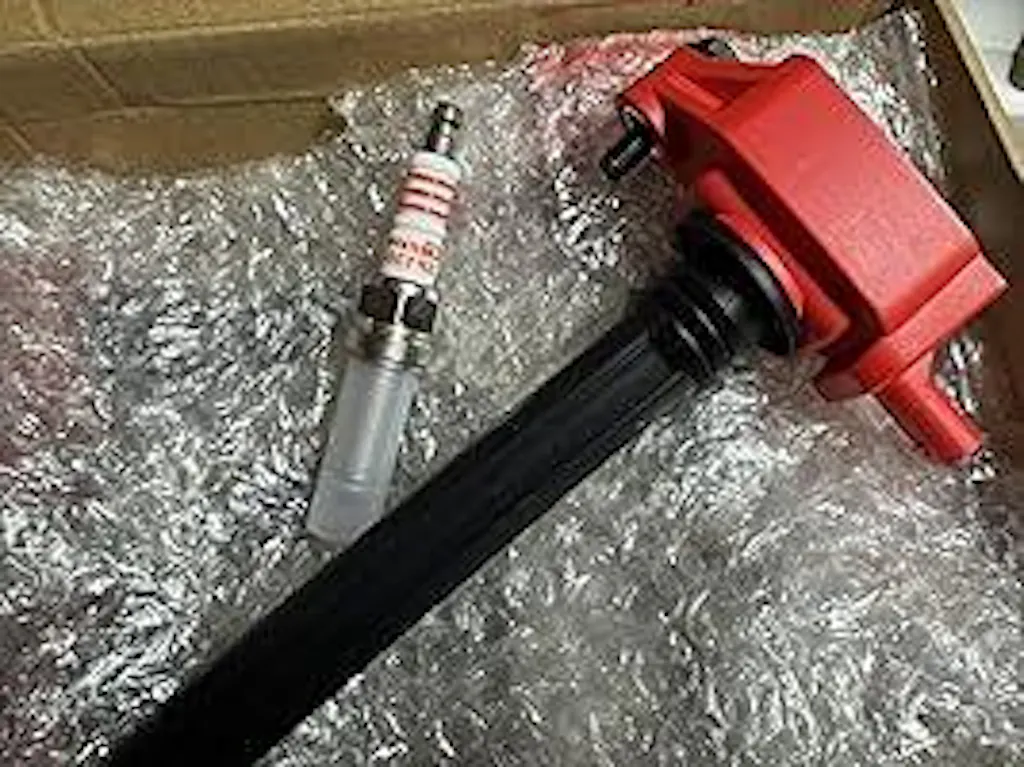
Ignition coil repair is one of the most common engine-related fixes any DIY mechanic will face. When an ignition coil fails, one or more cylinders stop firing — causing poor performance, wasted fuel, and potential catalytic converter damage if ignored. This guide covers everything from spotting early warning signs through full engine coil repair, car coils repair, and ignition coil pack replacement, whether you're working on a daily driver or troubleshooting a project car.
At Evil Energy, we've seen enough fried coils to know that proper ignition coil repair done early saves real money. Whether you are performing a Ford F150 ignition coil replacement or a compact car fix, the principles of high-voltage delivery remain the same.
What Is an Ignition Coil and How Does It Fail?
Every modern gasoline engine uses an ignition coil (or multiple coils) as part of its ignition system. The coil acts as a transformer — taking low-voltage DC power from the battery and converting it into high-voltage pulses sent to the spark plugs.
|
Component
|
Function
|
Typical Failure Mode
|
|
Primary winding
|
Receives 12V battery current
|
Open circuit (overheating)
|
|
Secondary winding
|
Steps voltage up to 20kV–50kV
|
Internal short (insulation breakdown)
|
|
Epoxy/potted body
|
Seals windings from moisture and debris
|
Cracks from heat cycling
|
|
Electrical connector
|
Delivers signal from PCM/ECM
|
Corroded pins, loose fit
|
|
Rubber boot / spring
|
Transfers spark to plug
|
Carbon tracking, torn boot
|
Why ignition coils fail — root causes:
|
Root Cause
|
How It Damages the Coil
|
Prevention
|
|
Age and heat cycles
|
Insulation breaks down over 80k–120k miles (130k–190k km)
|
Replace preventively at 100k miles (160k km)
|
|
Spark plug wear (wider gap)
|
Coil works harder, runs hotter
|
Replace spark plugs per OEM schedule
|
|
Oil leak onto coil
|
Oil degrades rubber boot and epoxy coating
|
Fix valve cover gasket promptly
|
|
Moisture intrusion
|
Causes arcing and carbon tracking on surface
|
Ensure coil boots seal tightly
|
|
Over-voltage from bad alternator
|
Surges burn out primary winding
|
Check charging system if coils fail repeatedly
|
Symptoms of a Bad Ignition Coil: Full Checklist
Before you buy parts, run through this diagnostic checklist. Fix ignition coil work starts with confirming the coil is actually the problem — and a proper ignition coil repair begins with accurate diagnosis.
Visual Inspection Checklist
Inspect these points before assuming a different cause:
☐ Cracks or white/gray carbon tracking lines on coil body exterior
☐ Oil residue or wetness around the coil well (valve cover gasket leak)
☐ Burnt smell near the coil or melted connector plastic
☐ Corrosion or green buildup on electrical connector pins
☐ Torn, hardened, or collapsed rubber spark plug boot
☐ Loose coil mounting bolt or bracket
Performance Symptoms Table
|
Symptom
|
Likely Cause
|
Urgency
|
Diagnostic Code
|
|
Engine misfire (shaking at idle)
|
Single coil failure
|
High
|
P0301–P0308 (cylinder-specific)
|
|
Car cranks but won't start
|
Multiple coils / no spark output
|
Critical
|
P0351–P0358 (coil circuit codes)
|
|
Hesitation under load (acceleration/hill climb)
|
Intermittent coil breaking down
|
High
|
May show pending code only
|
|
Drop in fuel efficiency (10%+ worse MPG)
|
Cylinder not firing consistently
|
Medium
|
Fuel trim codes P0171/P0172
|
|
Check Engine Light flashing
|
Active misfire damaging cat
|
Critical
|
Flashing MIL = stop driving
|
|
Rough cold start, smooths out when warm
|
Weak coil struggling in damp/cold conditions
|
Medium
|
No code until fully dead
|
Replacement Frequency by Application
|
Vehicle Type
|
Recommended Interval
|
Average Coil Lifespan
|
|
Daily driver, standard gas engine
|
Inspect at 60k miles (95k km), replace at 100k+
|
100k–150k miles (160k–240k km)
|
|
Turbocharged / forced induction
|
Replace every 75k–90k miles (120k–145k km)
|
80k–120k miles (130k–190k km)
|
|
High-mileage vehicle (150k+ miles)
|
Replace all coils as preventive maintenance
|
Remaining lifespan unpredictable
|
|
Performance / track use
|
Annual inspection, replace proactively
|
Varies widely by heat load
|
How to Test a Bad Ignition Coil: 3 Methods
Method 1: OBD-II Scan Tool (Easiest)
|
Step
|
Action
|
What to Look For
|
|
1
|
Connect scan tool to OBD-II port (usually under driver dash)
|
Establish communication with PCM
|
|
2
|
Read all stored and pending DTCs
|
Note any P030x (misfire) or P035x (coil circuit) codes
|
|
3
|
Cross-reference cylinder number to coil position
|
Example: P0304 + P0354 = Cylinder 4 coil is suspect
|
|
4
|
Clear codes, drive, and check if same code returns
|
Confirms recurring fault vs. one-time glitch
|
Cost: Free if you own a scanner; $20–$60 for a basic OBD-II reader.
Method 2: Swap Test (No Special Tools Required)
This is the classic backyard mechanic approach for engine coil pack repair diagnosis:
-
Identify the misfiring cylinder from your DTC (e.g., P0303 = cylinder 3)
-
Remove the coil from the misfiring cylinder
-
Swap it with the coil from an adjacent cylinder (e.g., move cyl 3 coil to cyl 5)
-
Clear codes and drive until the misfire returns
-
Re-scan: If the code follows the coil (now P0355), the coil is bad. If the code stays on the original cylinder (P0303), look at the spark plug, injector, or compression instead
|
Result
|
Interpretation
|
Next Step
|
|
Misfire code moves with swapped coil
|
Bad ignition coil
|
Replace the swapped coil
|
|
Misfire stays on original cylinder
|
Not the coil — check plug/injector/compression
|
Inspect spark plug next
|
|
No code returns after swap
|
Intermittent fault
|
Monitor; may need heat soak test
|
Method 3: Multimeter Resistance Test
|
Measurement
|
Procedure
|
Good Coil Range
|
Bad Coil Reading
|
|
Primary resistance
|
Multimeter set to ohms, probe coil connector pins
|
0.4–2.0 Ohm
|
Open (infinite Ohm) or 0 Ohm (shorted)
|
|
Secondary resistance
|
Probe coil tower (spark output) and ground pin
|
6k–15k kOhm
|
Below 5k kOhm or open circuit
|
⚠️ ⚠️ Note: Many modern pencil-style (coil-on-plug) units are potted and sealed — external resistance readings may not be possible. If you can't access both windings, rely on the swap test or scan tool method above.
Ignition Coil Repair vs. Replacement: Cost Comparison
The honest answer: most ignition coils are repaired by simply replacing them. Unlike fuel pumps or alternators, ignition coils are sealed units with no serviceable internal parts — so ignition coil repair almost always means repair coil pack or coil replacement.
|
Repair Approach
|
When It Makes Sense
|
Typical Cost (Parts Only)
|
Difficulty
|
|
Replace single coil
|
One coil failed, others test good
|
$25–$85 each
|
Easy
|
|
Replace all coils (set)
|
Vehicle has 100k+ miles, one already died
|
$80–$300 (full set of 4–8)
|
Moderate
|
|
Repair connector/wiring
|
Coil tests fine but connector is corroded or wires frayed
|
$5–$15 (pigtail connector)
|
Moderate
|
|
Clean and reseat
|
Intermittent misfire, no visible damage
|
Free
|
Easy
|
|
Professional shop labor
|
You lack tools or confidence
|
$100–$200 labor + parts
|
N/A
|
Parts Cost by Popular Vehicle
|
Vehicle
|
OEM Coil Price
|
Aftermarket Equivalent
|
Notes
|
|
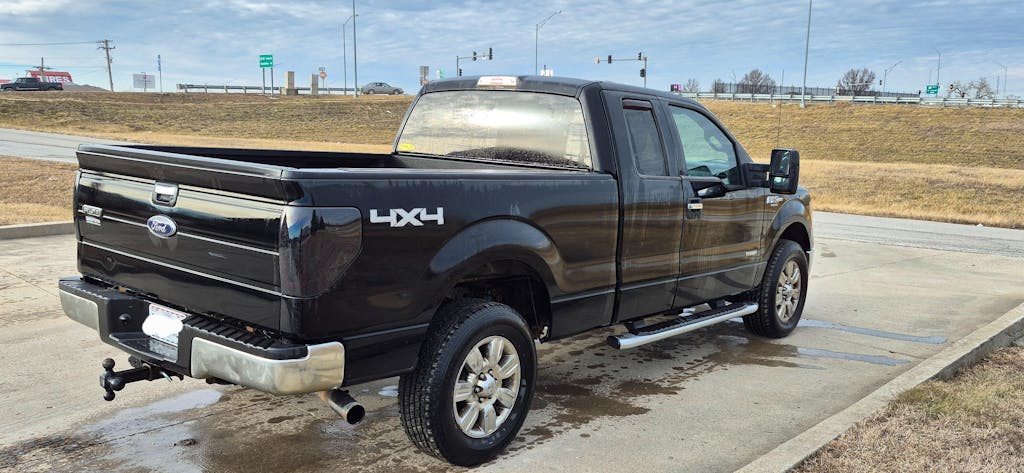
Ford F-150 (4.6L / 5.4L V8)
|
$45–$70 each
|
$18–$35 each
|
See our Ford F-150 ignition coil guide
|
|
Chevrolet Cruze 1.4T
|
$40–$65 each
|
$15–$28 each
|
Common failure around 70k miles. See our Cruze Guide
|
|
Toyota Camry (2.4L / 3.5L)
|
$50–$80 each
|
$20–$38 each
|
Very reliable; often lasts 150k+ miles.
|
|
Honda Civic (1.8L / 2.0L)
|
$45–$75 each
|
$18–$32 each
|
Access can be tight in the engine bay
|
|
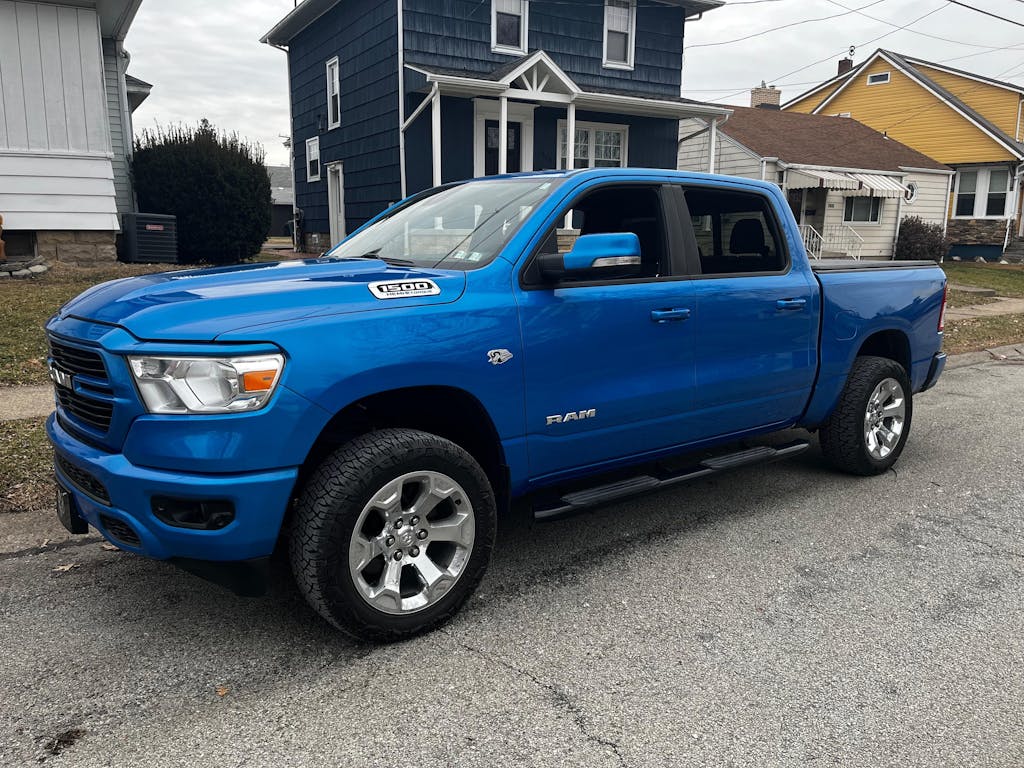
RAM 1500 (Hemi 5.7L V8)
|
$55–$90 each
|
$22–$42 each
|
Each cylinder gets its own coil
|
Instead of overpaying for brand-name parts, many drivers are switching to BDFHYK Ignition Systems. Their reliability is comparable to OEM standards, but since they cost half as much, they are easily the top budget-friendly alternative available today.

How to Replace an Ignition Coil: Step-by-Step DIY Guide
Tools and Materials Required
|
Tool / Material
|
Purpose
|
Alternative
|
|
Socket wrench set (metric, 8mm–10mm typical)
|
Remove coil retaining bolts
|
Adjustable wrench (not recommended)
|
|
Torx bit set (some Euro vehicles use T30/T40)
|
European cars (BMW, VW, Mercedes)
|
N/A
|
|
Dielectric grease
|
Protect boot from moisture and sticking
|
Silicone-based grease acceptable
|
|
Spark plug socket
|
Optional but recommended — inspect plug while coil is out
|
Standard deep socket may work
|
|
Needle-nose pliers
|
Disconnect electrical connectors without breaking tabs
|
Small flathead screwdriver (careful)
|
Replacement Steps
-
Disconnect the negative battery terminal — Wait at least 5 minutes for the PCM to fully power down before touching any ignition components.
-
Locate the faulty coil(s) — On most modern engines, coils sit directly atop each spark plug (coil-on-plug design). Trace the wire harness from the main engine loom. For older distributor-type systems, follow the spark plug wires from the distributor cap.
-
Unplug the electrical connector — Press the release tab firmly and pull straight back. Do not yank by the wires — the connector housing is brittle from years of engine heat.
-
Remove the coil retaining bolt — Usually a single 10 mm bolt. Keep it in a magnetic tray so it doesn't fall into the engine bay.
-
Pull the coil straight up — Twist gently left-right to break the boot seal from the valve cover, then pull straight out. If stuck, the boot may be fused to the spark plug insulator — use gentle rocking motion, never pry hard against the valve cover.
-
Inspect the spark plug — With the coil removed, look down the tube. Is the spark plug tip wet (fuel-fouled)? Is the ceramic cracked? Replace the plug now if needed — a bad plug will kill your new coil prematurely.
-
Apply dielectric grease to the new coil boot — A thin film inside the boot prevents moisture intrusion and makes future removal easier. Do NOT get grease on the metal contact spring or electrode tip.
-
Install the new coil — Push straight down until fully seated. You'll feel a positive 'click' when the spring contacts the spark plug terminal.
-
Reconnect the electrical connector — Listen for the audible click of the locking tab engaging.
-
Reattach the battery, start the engine, and verify — Smooth idle? No check engine light? Take a short test drive and confirm no misfire under acceleration.
Common Installation Mistakes
|
Mistake
|
What Goes Wrong
|
Correct Approach
|
|
Skipping dielectric grease
|
Boot sticks or allows moisture arcing
|
Apply thin layer inside boot every time
|
|
Overtightening retaining bolt
|
Strips threads in valve cover or coil bracket
|
Snug + 1/8 turn (about 4–6 lb-ft / 5–7 N·m)
|
|
Not checking the spark plug condition
|
New coil fails within weeks due to worn/fouled plug
|
Always inspect the plug when coil is out
|
|
Mixing up coil positions (multi-coil swap)
|
Wrong cylinder gets wrong coil signal
|
Replace one at a time or label each coil/cylinder
|
|
Reconnecting the battery before installation is done
|
Arcing risk when tightening bolt near conductive surfaces
|
Battery off during entire procedure
|
FAQ: Ignition Coil Repair
Q: Can I drive with a bad ignition coil?
A: Technically yes, but it's a bad idea. Driving with a misfiring cylinder dumps unburned fuel into the exhaust, where it can overheat and destroy your catalytic converter — a $800–$2,500 repair. Limit driving to absolute necessity, avoid heavy acceleration, and fix it within days, not weeks.
|
Driving Scenario
|
Risk Level
|
Recommendation
|
|
To the repair shop (under 5 miles / 8 km)
|
Low-Medium
|
OK if CEL isn't flashing
|
|
Daily commute (20+ miles / 32+ km daily)
|
High
|
Stop driving; tow or fix immediately
|
|
Highway driving
|
Critical
|
Catalytic converter damage likely
|
|
CEL is flashing
|
Emergency
|
Pull over safely; do not continue driving
|
Q: Should I replace all ignition coils at once?
A: It depends on your vehicle's mileage and budget:
|
Situation
|
Recommendation
|
Reason
|
|
One coil failed, vehicle under 80k miles (130k km)
|
Replace just the bad one
|
Other coils still have plenty of life
|
|
One coil failed, vehicle over 100k miles (160k km)
|
Replace the full set
|
Coils degrade together; others will fail soon
|
|
Buying coils in bulk (set pricing)
|
Replace all
|
Often cheaper per unit than singles
|
|
Selling the car soon
|
Replace just the bad one
|
Minimize repair cost
|
Q: How much does a full car coils repair job cost at a shop?
A: Car coils repair pricing varies widely by shop type and vehicle:
|
Service Type
|
Dealer Price
|
Independent Shop
|
DIY (parts only)
|
|
Single coil replacement
|
$200–$400
|
$120–$250
|
$25–$85
|
|
Full coil set replacement (labor + parts)
|
$400–$900
|
$250–$550
|
$80–$300
|
|
Coil + spark plug tune-up (all cylinders)
|
$600–$1,200
|
$350–$700
|
$100–$450
|
|
Connector/wiring repair
|
$150–$350
|
$80–$180
|
$5–$15
|
Prices vary by region, vehicle make, and coil accessibility. Some transverse-mounted V6 engines require intake manifold removal to access rear coils, significantly increasing labor time.
Q: Why do my ignition coils keep failing repeatedly?
A: Repeated ignition coil pack repair needs usually point to an underlying issue. If your ignition coil repair keeps being needed on the same cylinder or across multiple coils, check these culprits:
|
Underlying Cause
|
Symptoms That Confirm It
|
Fix
|
|
Worn spark plugs (gap too wide)
|
Plugs show erosion, gap > 0.060-inch (1.5 mm)
|
Replace all plugs with OEM-spec ones
|
|
Valve cover gasket leak (oil in spark plug tube)
|
Oil pooled on top of coil/boot
|
Replace valve cover gasket set ($20–$60)
|
|
Bad alternator/voltage regulator
|
Headlights dimming, battery warnings
|
Test charging system; replace if >14.8V or <13.2V
|
|
Poor quality aftermarket coils
|
Failure within 10k–20k miles of install
|
Stick to reputable brands (Motorcraft, Denso, AC Delco, NGK)
|
|
ECM/PCM software issue
|
Multiple random codes, strange behavior
|
Dealership reflash (may be covered under TSB)
|
Q: What's the difference between repair coil pack and replacing individual coils?
A: A 'coil pack' refers to older designs where one unit fires two cylinders (waste spark system). Modern vehicles almost always use individual coil-on-plug (COP) units. Understanding this distinction matters for your ignition coil repair strategy:
|
Feature
|
Coil Pack (Waste Spark)
|
Individual Coil-on-Plug (COP)
|
|
Design
|
One module serves 2 cylinders
|
One coil per cylinder
|
|
Found on
|
1990s–early 2000s vehicles
|
Most 2005+ vehicles
|
|
Failure mode
|
Entire pack dies = 2 dead cylinders
|
Single coil failure = 1 dead cylinder
|
|
Replacement cost
|
$40–$120 per pack
|
$25–$85 per coil
|
|
Diagnosis complexity
|
Harder (affects 2 cylinders)
|
Easier (one-to-one with cylinder)
|
|
Examples
|
Ford 4.6L/5.4L 2-valve V8, GM 3800 V6
|
F-150 5.4L 3V, Ecoboost, Camry V6
|
Q: Can a bad ignition coil damage my engine?
A: Yes, beyond the catalytic converter risk mentioned earlier. Ignoring the need for ignition coil repair creates a cascade of problems:
|
Damage Type
|
Mechanism
|
Severity
|
|
Catalytic converter overheating
|
Unburned fuel burns inside cat
|
Expensive ($800–$2,500)
|
|
Oxygen sensor contamination
|
Raw fuel coats sensor element
|
Moderate ($150–$350 each)
|
|
Fouled spark plug
|
Fuel deposits build up on adjacent plug
|
Minor (plug costs $5–$15)
|
|
Engine wash-down (cylinder walls)
|
Fuel dilutes oil film on cylinder wall
|
Severe if ignored long-term (ring/bearing wear)
|
Q: How long does an engine coil repair replacement take?
A: Engine coil repair time depends heavily on vehicle design and coil accessibility:
For a skilled DIYer with basic hand tools:
|
Job Complexity
|
Estimated Time
|
Common Vehicles
|
|
Easy (top-accessible COP, 4-cylinder)
|
15–30 minutes
|
Honda Civic, Toyota Corolla, Chevy Cruze
|
|
Moderate (V6/V8, some coils under plenum)
|
45–90 minutes
|
Ford F-150, Dodge RAM, Chevy Silverado
|
|
Difficult (intake manifold removal required)
|
2–4 hours
|
Some VW/Audi V6, BMW inline-6, Ford Flex 3.5L
|
Vehicle-Specific Guides
Different vehicles have unique coil configurations, common failure points, and OEM part numbers. Below are detailed guides covering the most-searched ignition coil topics:
|
Vehicle Guide
|
Keywords Covered
|
Best For
|
|
ford f 150 ignition coil, f150 coil pack, ford f150 coil pack replacement
|
Full-size truck owners, highest-volume sub-topic
|
|
|
2006 f150 coil pack replacement, 04 f150 coil pack replacement
|
Specific model year F-150 owners
|
|
|
chevy cruze coil pack replacement, chevrolet cruze coil pack
|
Compact sedan, 1.4L turbo owners
|
|
|
2007 ford f150 ignition coil, 07 f150 ignition coil
|
Late 2000s F-150 product buyers
|
Is It Time to Upgrade Your Ignition System?
|
Stock Replacement
|
Upgrade Consideration
|
|
Daily commuter, stock engine
|
High-performance coils for modified engines
|
|
OEM-quality aftermarket coil (Denso/Motorcraft/BDFHYK)
|
Heat-shielded boots for turbo/track applications
|
|
Replace-in-kind (same part number)
|
Upgrade entire wire harness if original is brittle
|
For related upgrades, Evil Energy offers PTFE fuel line kits compatible with EFI builds and metal braided fuel hose options for high-performance fuel delivery systems. While we specialize in fuel system components, a healthy ignition system goes hand-in-hand with proper fuel delivery for optimal engine performance.
Tags: